
Mechanics

All Stories

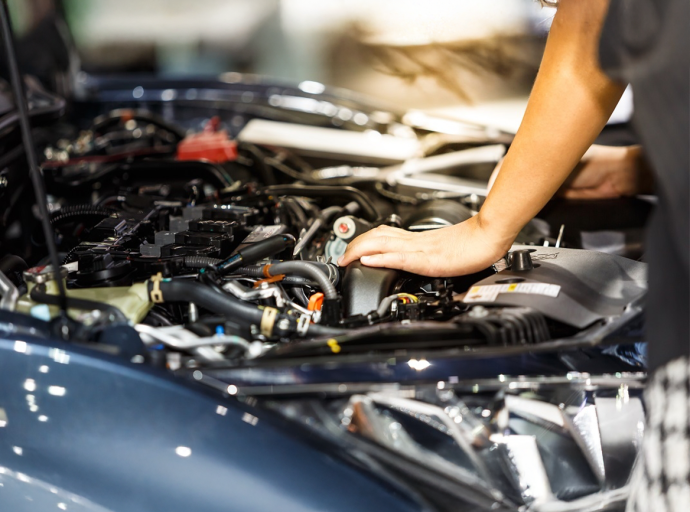
General Motors to replace over 700,000 engines

After the saga that led Japanese automaker Toyota to replace some 100,000 V6 engines in its Tundra, Sequoia and other trucks, it is now General Motors’ turn to undertake a similar action

general-motors-to-replace-over-700-000-engines

The return of the Cobra

Among the most legendary cars in the world, the AC Cobra roadster holds one of the most enviable positions.

the-return-of-the-cobra

Opposition to the Right to Repair rejected

The Right to Repair continues to generate significant debates. Recently, the Alliance of Automotive Innovation, a coalition of several automobile manufacturers, once again attempted to oppose this measure,

opposition-to-the-right-to-repair-rejected

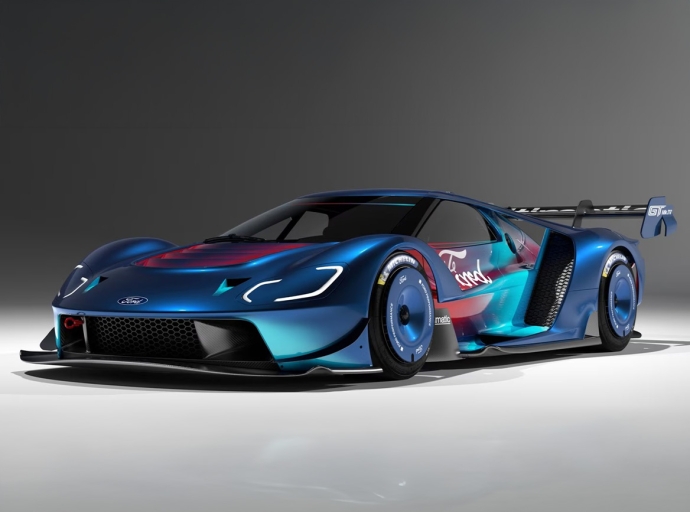
Ford returns to Le Mans

It’s official: Ford has announced its return to the 24 Hours of Le Mans. This time, the American automaker will not compete in the GT class, as it did during its recent victory with the Ford GT, but will instead aim for overall victory in the Hypercar category.

ford-returns-to-le-mans

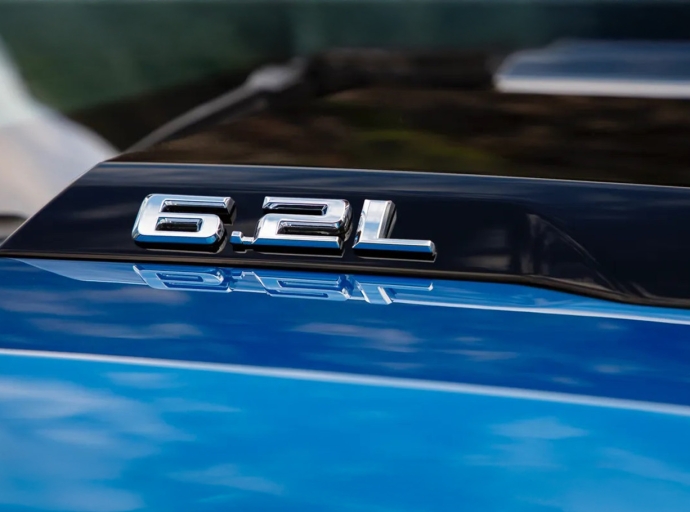
NHTSA investigates GM’s V8 engines

The NHTSA (National Highway Traffic Safety Administration) has recently launched an investigation into approximately 877,000 V8 engines from General Motors.

nhtsa-investigates-gms-v8-engines

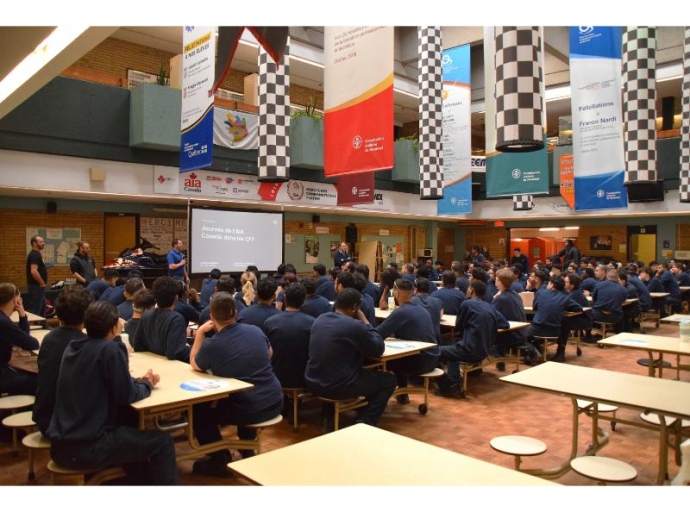
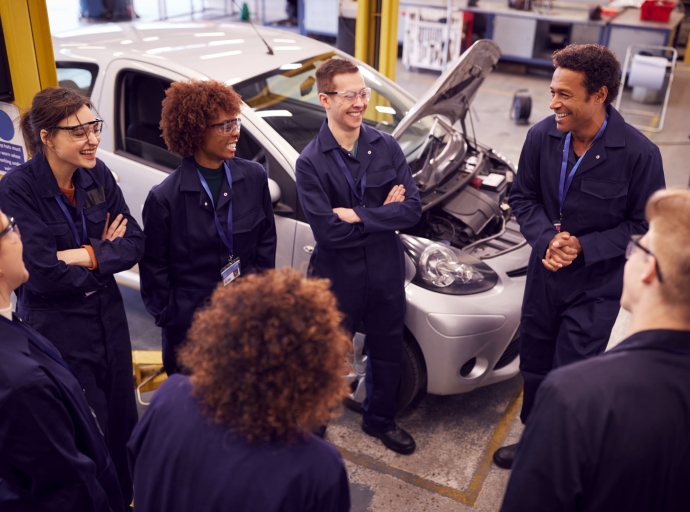
The Importance of Electric Vehicle Training in an Ever-Evolving Technological Revolution

As the transition to electric-powered vehicles accelerates at an unprecedented pace worldwide, the need for specialized automotive technician training cannot be overstated. Electric vehicles are not just a passing trend; they represent a fundamental shift in how we think about mobility, energy, and the environment. To support this transformation, training technicians in electric vehicle mechanics has become an urgent and essential necessity.

The Importance of Electric Vehicle Training in an Ever-Evolving Technological Revolution

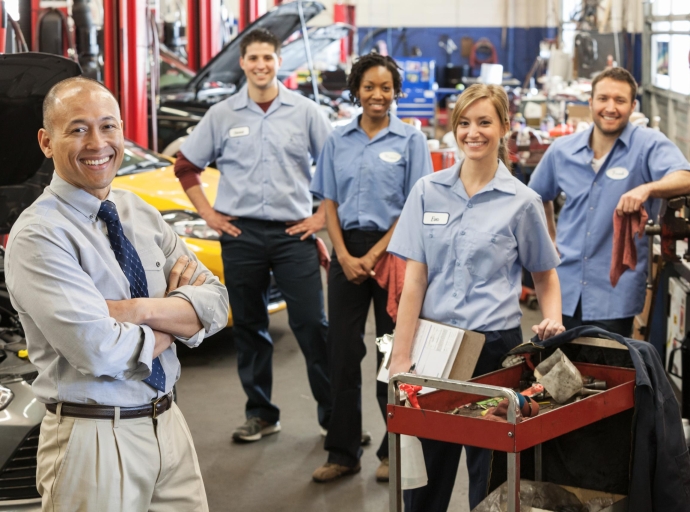
Automobile Fleets: A Key Asset for Repair Shops

In the ever-evolving world of vehicle maintenance, managing commercial fleets has become a strategic advantage for repair shops. More than just a service, it is an opportunity to build strong relationships and drive sustainable growth. But how can repair shops make the most of these collaborations?

Automobile Fleets: A Key Asset for Repair Shops

Diesel Emission Control Systems Tier 4 and Tier 5: Advancing Towards Significant Pollution Reduction

Diesel engines are known to be a major source of pollutant emissions, particularly nitrogen oxides (NOx) and fine particulate matter (PM). To curb these emissions, environmental regulations have progressively tightened over the years, leading to increasingly stringent standards set by the United States and the European Union. The Tier 4 and Tier 5 diesel emission control systems represent the latest advancements in this evolution. Tier 4 standards, introduced in 2008, aim to reduce NOx and PM emissions, while Tier 5 standards, expected to take effect in 2025, will enforce even greater reductions.

Diesel Emission Control Systems Tier 4 and Tier 5: Advancing Towards Significant Pollution Reduction
Image

Business Directory

Image