


The Right to Repair continues to generate significant debates. Recently, the Alliance of Automotive Innovation, a coalition of several automobile manufacturers, once again attempted to oppose this measure,
As the transition to electric-powered vehicles accelerates at an unprecedented pace worldwide, the need for specialized automotive technician training cannot be overstated. Electric vehicles are not just a passing trend; they represent a fundamental shift in how we think about mobility, energy, and the environment. To support this transformation, training technicians in electric vehicle mechanics has become an urgent and essential necessity.
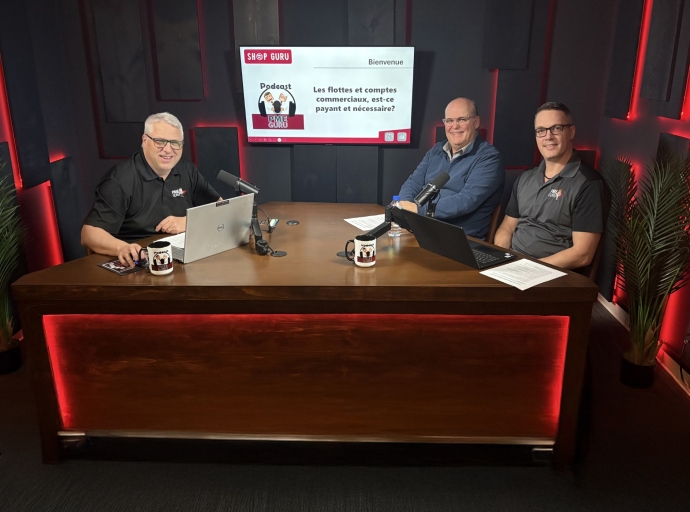
In the ever-evolving world of vehicle maintenance, managing commercial fleets has become a strategic advantage for repair shops. More than just a service, it is an opportunity to build strong relationships and drive sustainable growth. But how can repair shops make the most of these collaborations?
Diesel engines are known to be a major source of pollutant emissions, particularly nitrogen oxides (NOx) and fine particulate matter (PM). To curb these emissions, environmental regulations have progressively tightened over the years, leading to increasingly stringent standards set by the United States and the European Union. The Tier 4 and Tier 5 diesel emission control systems represent the latest advancements in this evolution. Tier 4 standards, introduced in 2008, aim to reduce NOx and PM emissions, while Tier 5 standards, expected to take effect in 2025, will enforce even greater reductions.
Long before the internal combustion engine took its place under the hood, steam was paving the way for land transportation. Between 1770 and 1830, engineers and inventors on both sides of the Atlantic competed in ingenuity to create the first steam-powered vehicles, remarkable feats of mechanics in their time.
Automotive mechanics has never been static, but in recent years, advances in diagnostic technologies have revolutionized the trade. Garages, once dominated by manual tools, are now brimming with tablets, scanners, and other connected systems. But make no mistake, this is no passing trend—digital tools have become indispensable allies for diagnosing problems faster and more efficiently. For today’s mechanic, mastering these tools is no longer a luxury but a necessity.
The automotive industry is evolving at breakneck speed, with vehicles becoming increasingly connected and sophisticated. Yet, behind this technological revolution lies a growing concern: the "VIN Lock" phenomenon. This practice of locking parts to a vehicle’s unique Vehicle Identification Number (VIN) presents a major challenge, particularly for independent repair shops and the aftermarket industry. Here's why this issue is at the forefront of professionals' concerns.