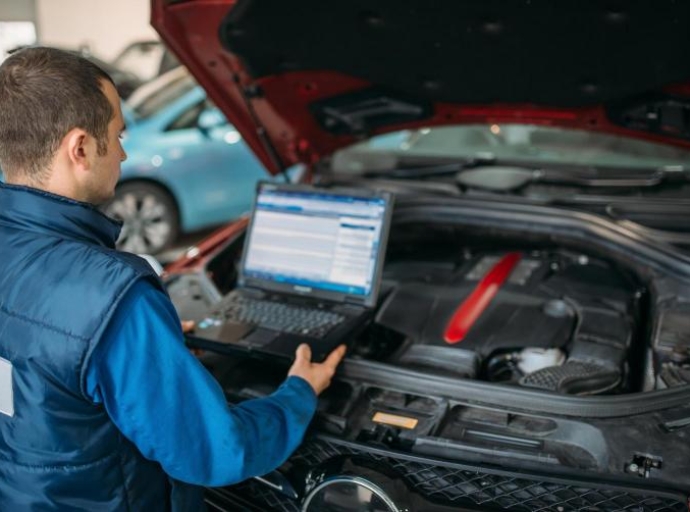

As vehicles become increasingly connected, electric and software-driven, access to automotive data is emerging as a critical issue for the future of vehicle maintenance and repair in Canada. In this op-ed, Emily Holtby, Vice President, Government Relations at ...
In the latest episode of the monthly Shop Guru podcast, Philippe Bussières, Training Director at PME Guru, welcomed Anie Samson, owner of a mechanical workshop, and Éric Duteau, Operations Director. Together, they discussed an increasingly important topic for shops: adopting online appointment booking.
When you attend a car show like Quebec’s, last May, it becomes clear that traditional automotive mechanics, from the 1960s to 2000, remain vital. One might assume classic-car owners keep their collector’s parts safely stored in private garages, but it is in fact the opposite. The problem is that many of these owners love to drive their vehicles (especially in summer, of course), yet they aren’t always skilled mechanics. At the first sign of trouble or a breakdown, they look for mechanics who can fix their prized possession so they can get back on the road.
The Cooperative Education Program (Co-op) is a key solution to ensure staffing succession in automotive dealerships by gradually integrating new talent.
In today’s fast-paced world, clear communication and seamless connections are redefining the customer experience in the vehicle maintenance and repair sector. Mobile mechanics are revolutionizing convenience, yet challenges remain. By using technology to promote transparency and trust, mechanics and customers can build stronger relationships, thereby elevating the industry and ensuring greater satisfaction for all.
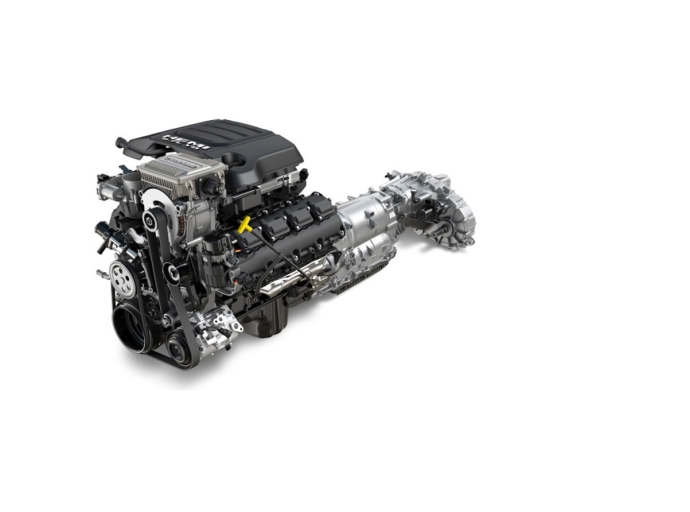
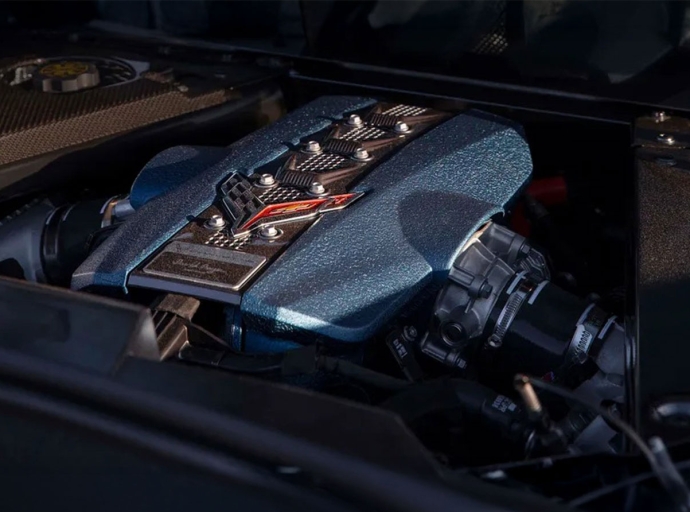
As incredible as it may seem, while most automakers are aiming to develop smaller engines with reduced displacement and fewer cylinders, American giant General Motors just invested some US$888 million in its Tonawanda Propulsion plant near Buffalo, New York
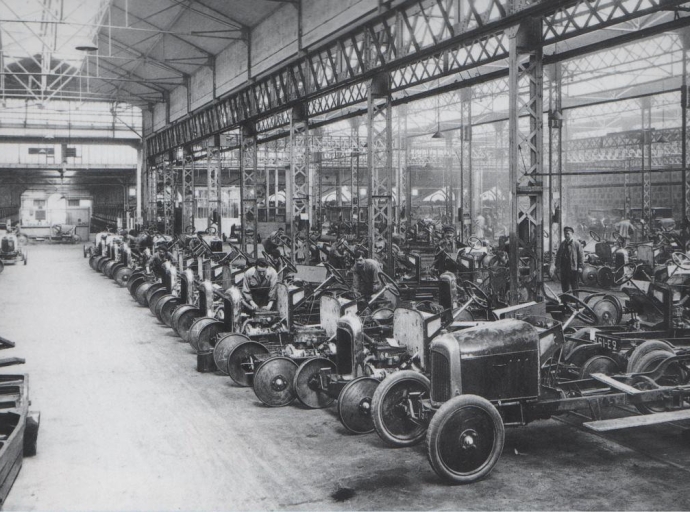
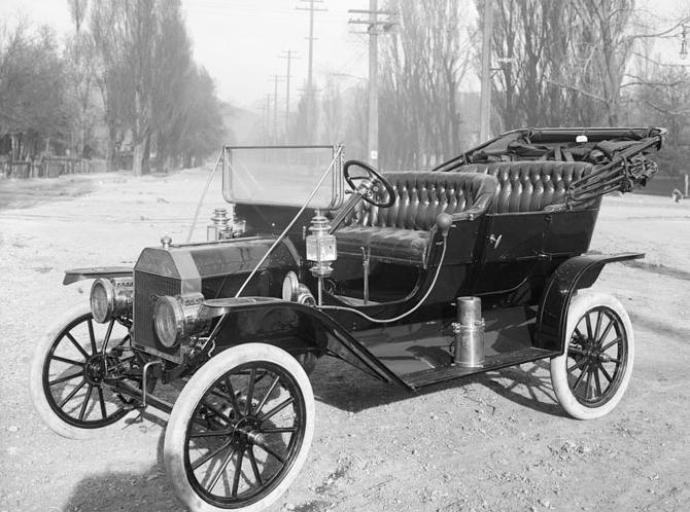
The period between 1890 and the beginning of the First World War laid the technical, logistical, and economic foundations of the modern automobile industry. The world at that time was in a state of effervescence. Production was shifting from artisanal and small-scale to industrial and standardized. It was also a period of intense technological innovation. People experimented and invented. The automobile would quite literally lay the groundwork for modern society, bringing about infrastructures adapted to individual mobility and new cultural trends such as mass consumption.
Following the creation of the Benz Patent-Motorwagen in 1886 by Carl Benz—considered the first combustion-powered car—the path was now open for the development of an entirely new industry. Here, in chronological order, is a portrait of the automotive pioneers who helped shape the world as we know it today.
The job market at the beginning of 2025 is generating much debate. PME Guru recently gathered several experts to discuss this reality, and the challenges related to skilled labour.
In the world of automotive repair shops, managing productive hours is a key challenge to ensuring operational efficiency and profitability. Too often, valuable minutes are lost due to poor planning, lack of tracking, or inefficient task allocation. That’s precisely what the February episode of the Shop Guru podcast aims to address, focusing on optimizing billable hours in mechanical shops.
After the saga that led Japanese automaker Toyota to replace some 100,000 V6 engines in its Tundra, Sequoia and other trucks, it is now General Motors’ turn to undertake a similar action