

 En
En  Fr
Fr Tires
Continental launches the TerrainContact A/T2
German tire manufacturer Continental Tire has announced the production of the TerrainContact A/T2, an all-season tire designed for CUVs, SUVs, and light trucks. ...
Continental launches the TerrainContact A/T2
German tire manufacturer Continental Tire has announced...

Coats relaunches its RC Series
American manufacturer Coats has announced the return of...

BendPak Launches Its New APEX AT26 Tire Changer
Manufacturer BendPak has unveiled its all-new APEX AT26...
Éric Descarries
Hits: 1703
THE "All-weather" Tire Phenomenon
Éric Descarries
Hits: 1703
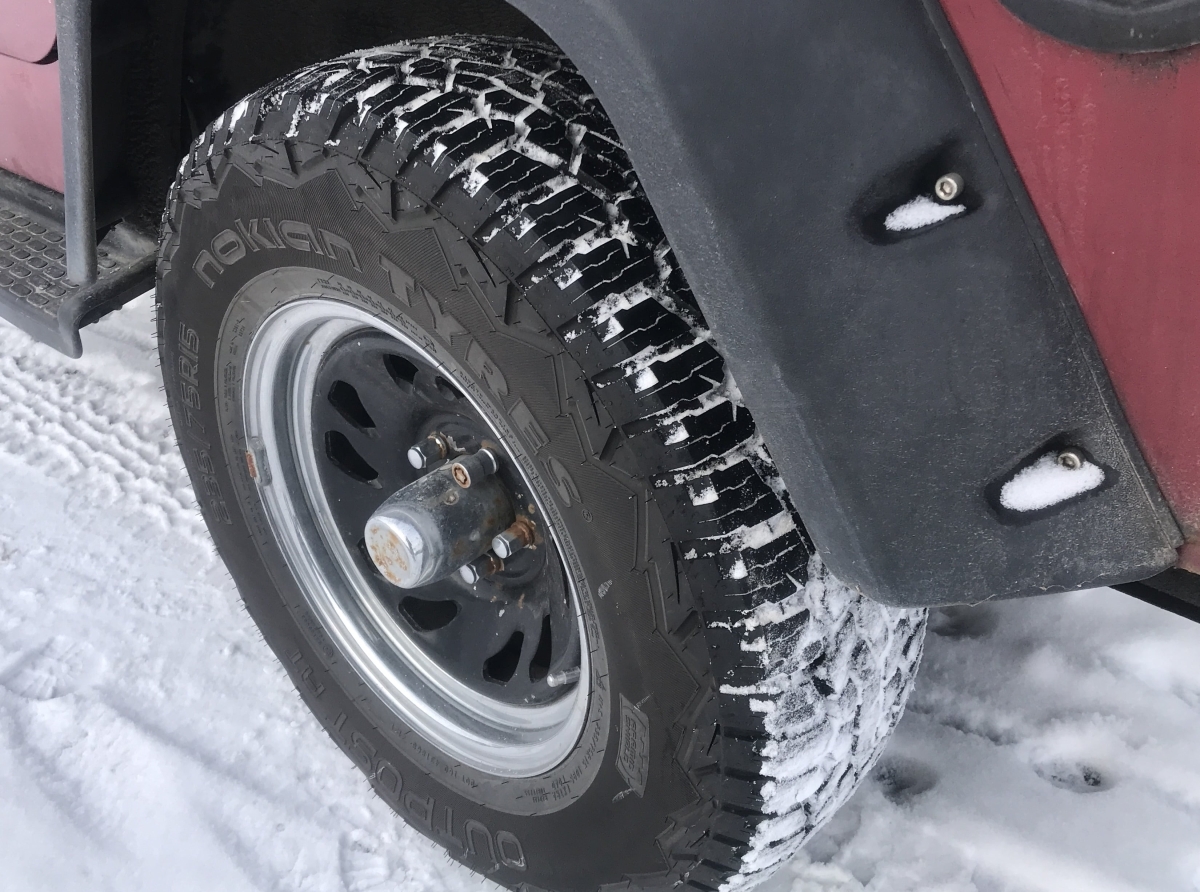
Launched a decade ago, the so-called "All-weather" tire has gained traction in the Quebec market. But what exactly is an "All-Weather" tire? It’s a true "All-season" tire officially recognized by government authorities and road safety agencies for safe use in both winter and summer conditions.
Humble Beginnings in Europe
My first experience with a vehicle equipped with such tires dates back about ten years during the launch of a new Nokian winter tire in Finland. At the time, the Scandinavian manufacturer had just introduced the Hakkapeliitta WRG3. I had the chance to test a front-wheel-drive car on Nokian’s winter test track, a frozen lake in the Ivalo region. I admit, I was skeptical, being a firm believer in high-traction winter tires. However, I was astonished by this tire’s grip on what represents the worst nightmare for winter drivers: ice.
The WRG3, with its tread pattern designed for deep snow, concealed an unseen feature: a rubber compound soft enough to provide grip on ice yet durable enough to withstand summer heat, promising impressive longevity!
The Ultimate Test
Nokian soon brought its "All-weather" tire to Canada, mostly to Quebec, a stronghold of winter tire adoption. By then, the Finnish manufacturer was on the fourth generation of this product with the Hakkapeliitta WRG4. Meanwhile, Michelin entered the competition with its own "All-weather" tire, the CrossClimate, sparking a wave of comparative tests in European magazines, with alternating wins between the French and Scandinavian tires.
Today, many tire manufacturers offer their own "All-weather" models for the Canadian market, especially in Québec. Nokian has since introduced the WRG5, and Michelin now offers the CrossClimate 2.
Easing Initial Resistance
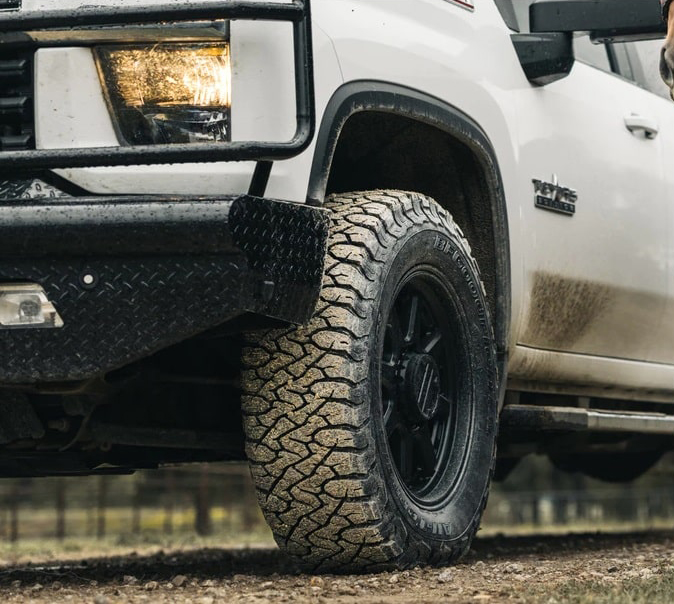
Initially, many automotive journalists were hesitant to recommend these tires to Quebec drivers, citing lower performance in deep snow or longer braking distances on ice. But that was years ago. Since then, leading manufacturers have improved their products, and most others have entered the market. Today, consumers have access to a wide variety of “All-weather” tires.
Who Are These Tires For?
Choosing winter tires is not a one-size-fits-all decision; it depends on the vehicle’s characteristics. ‘’All-weather’’ tires are ideal for low-mileage drivers, particularly those in urban areas, who can save on seasonal tire changes. The wide grooves of ‘’All-weather’’ tires also provide effective water evacuation on wet roads.
Some argue that garages are less inclined to sell these tires, fearing fewer seasonal visits from customers. However, many drivers lease vehicles for three or four years. For them, “All-weather” tires offer a cost-effective way to return the vehicle with the original tires, saving money in the process.
Replacing Winter Tires?
The primary question remains their winter effectiveness. “All-weather” tires are not suitable for drivers in mountainous or heavy snowfall regions. Regarding ice grip, it largely depends on the driver’s experience. Fortunately, most local roads are well-maintained during winter.
To gain firsthand knowledge, I tested several “All-weather” tires in winter and summer. Michelin equipped my Lincoln MKZ with CrossClimate 2, while Nokian fitted WRG4 tires on my brother’s Mercedes-Benz C300. Despite our "sibling rivalry," the results were similar for both models. Additional tests with Hankook and Nokian tires on SUVs confirmed that this technology is now well-established.
The Future of ‘’All-weather’’ Tires
The development of “All-weather” tires is rapidly expanding and promises even more innovations. Some automakers, such as Ford, are starting to factory-equip models like the Mustang Rally with Michelin CrossClimate 2 tires.
Who’s Doing What?
The “All-weather” tire market is growing, with many manufacturers joining established brands. These tires are certified for winter use by the mountain-and-snowflake logo.
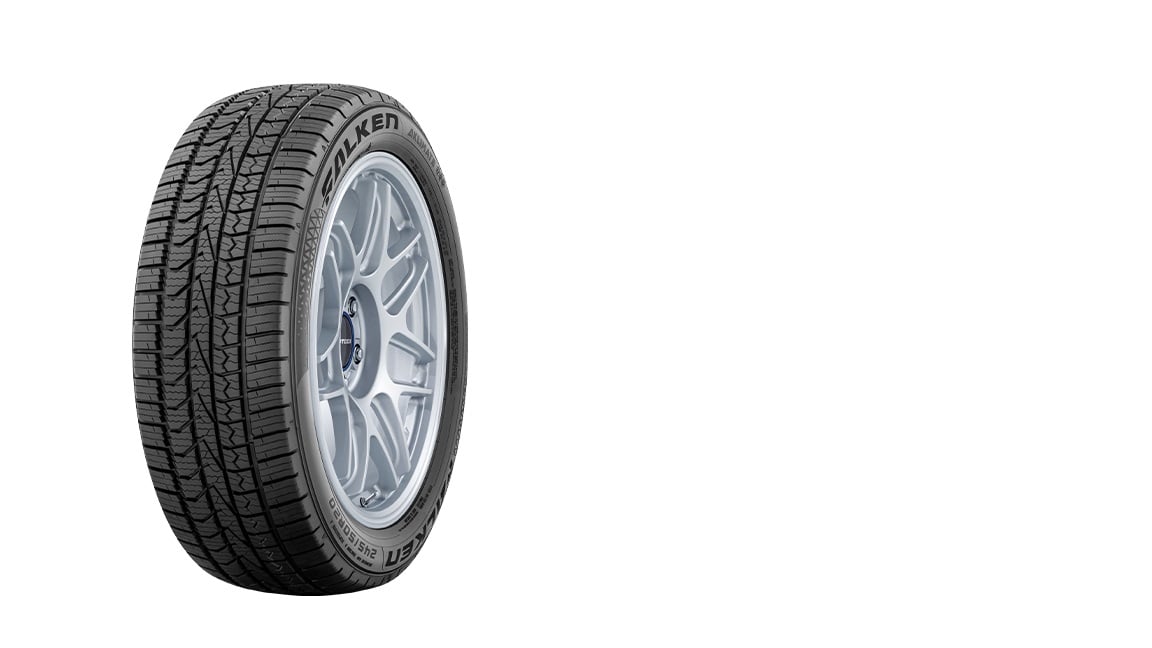

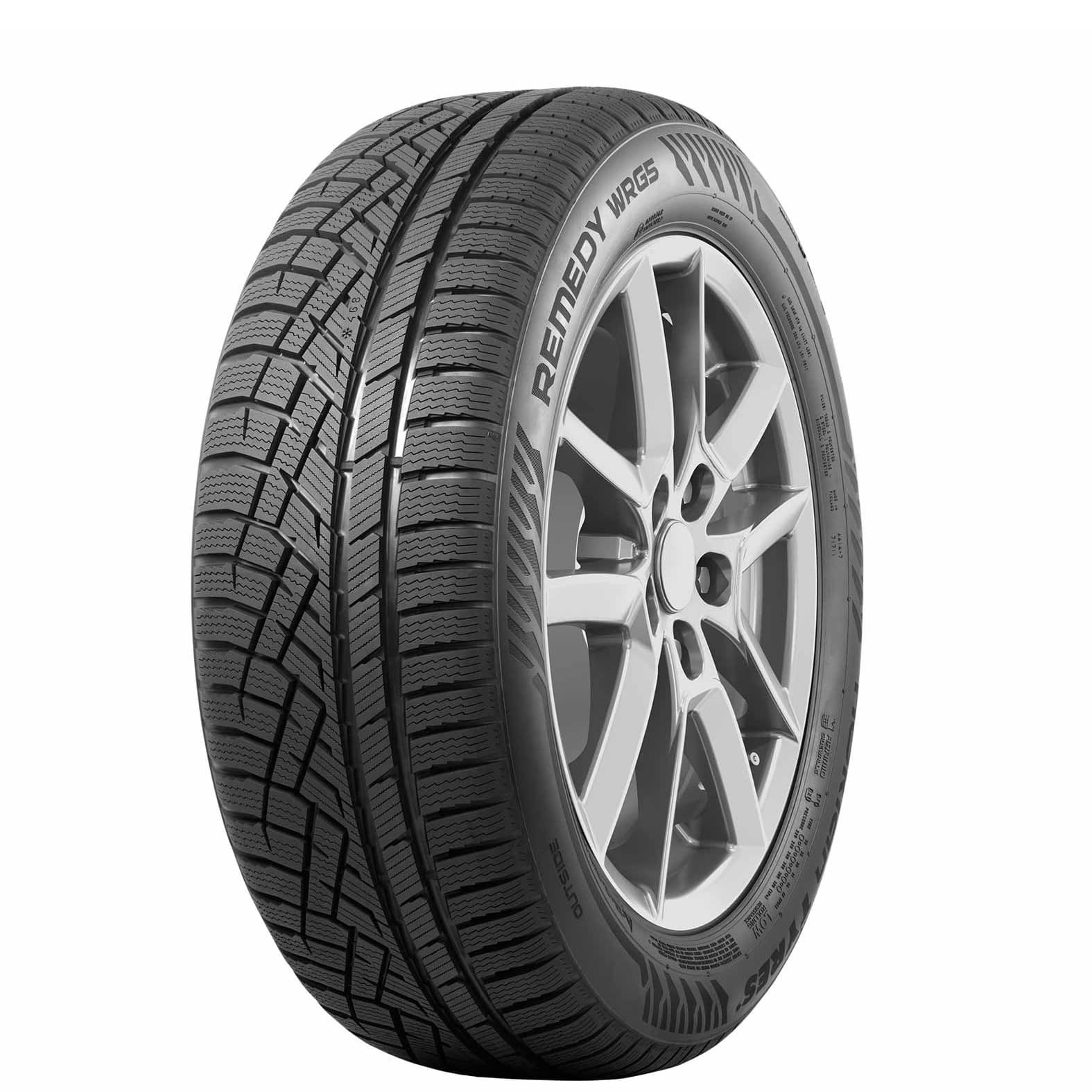
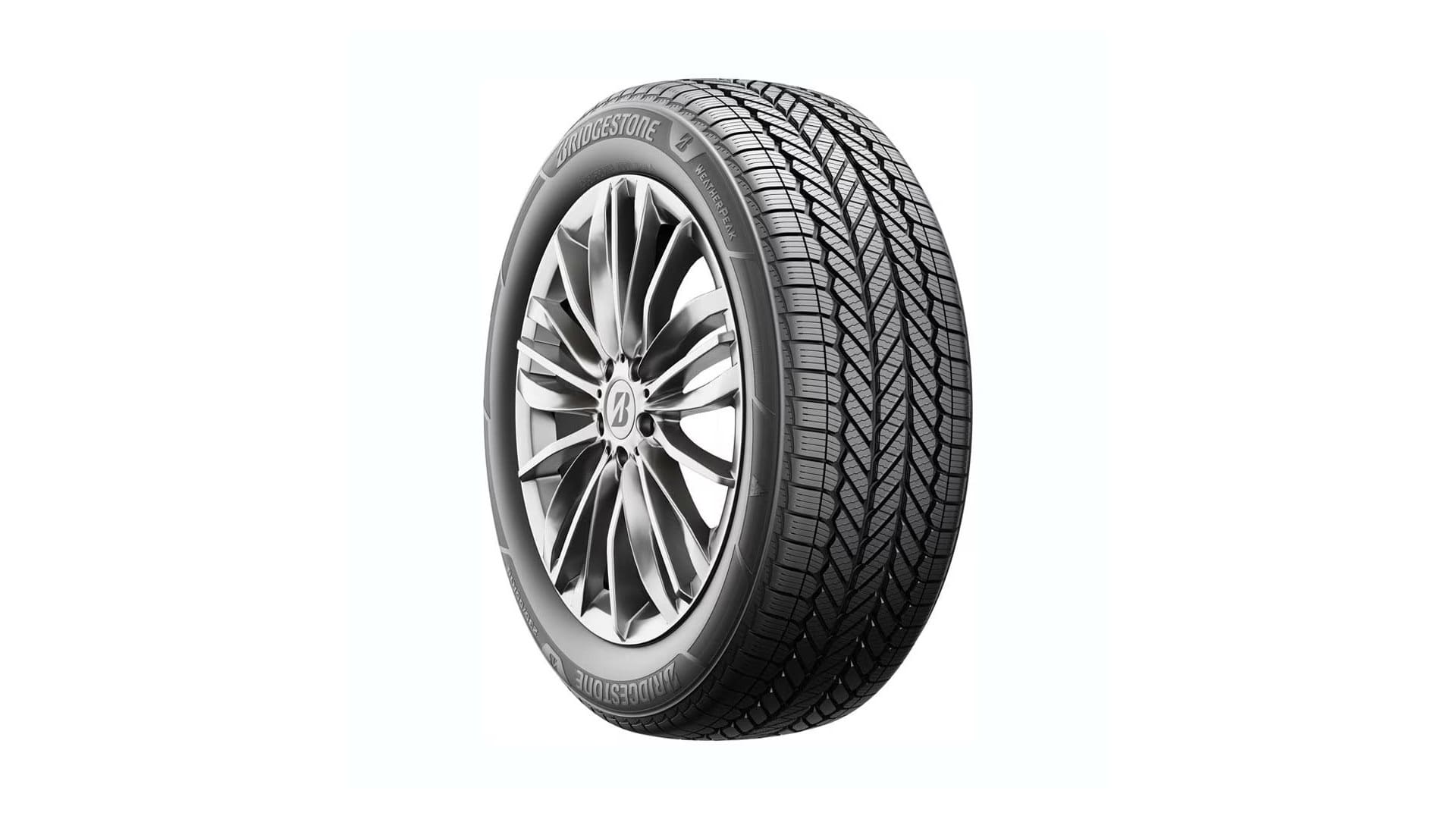
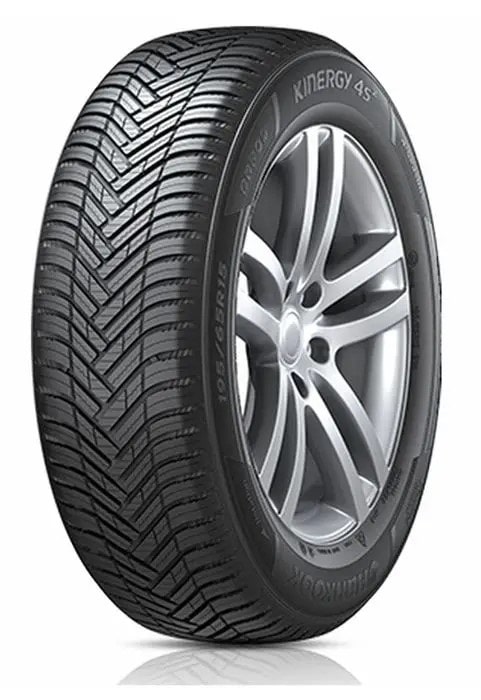
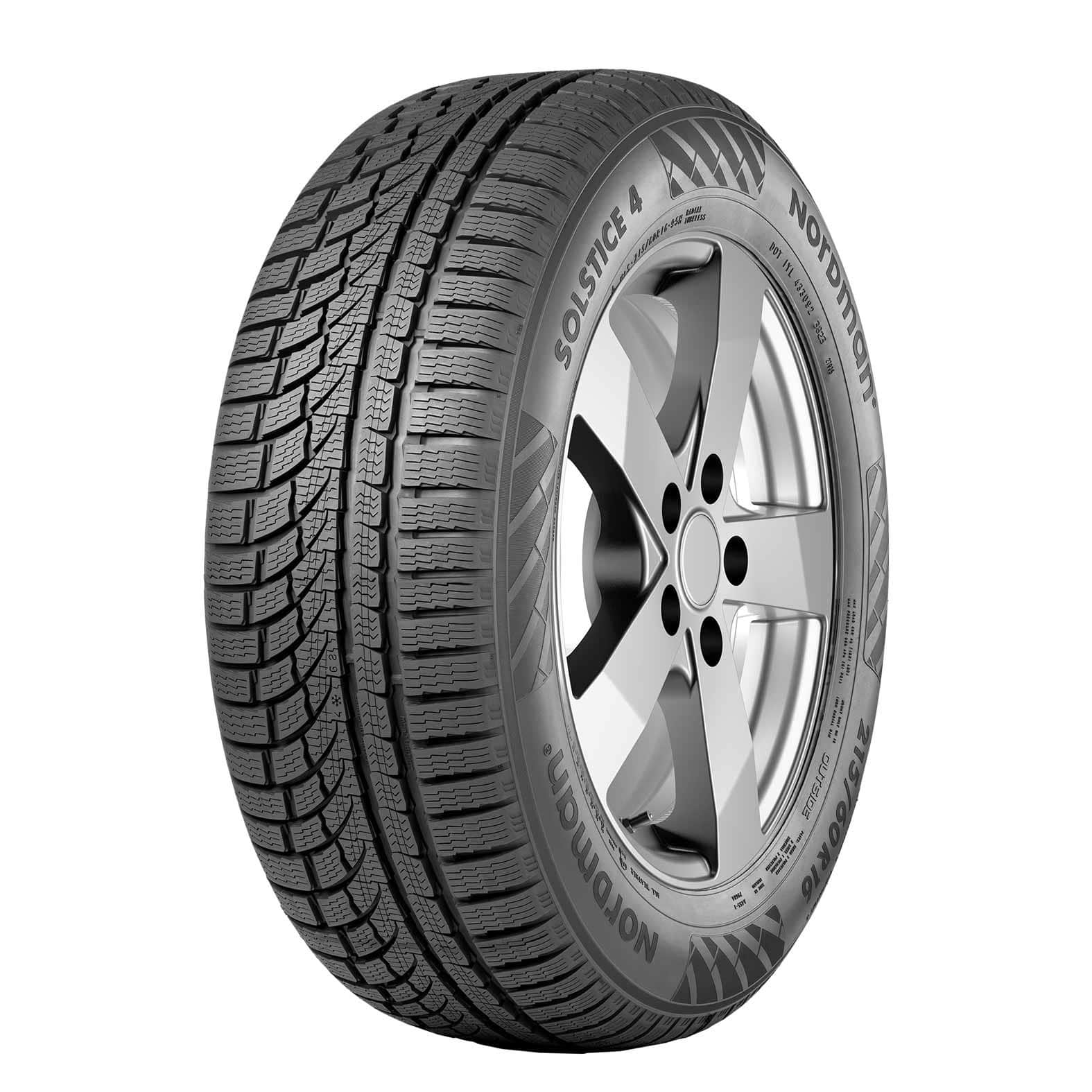
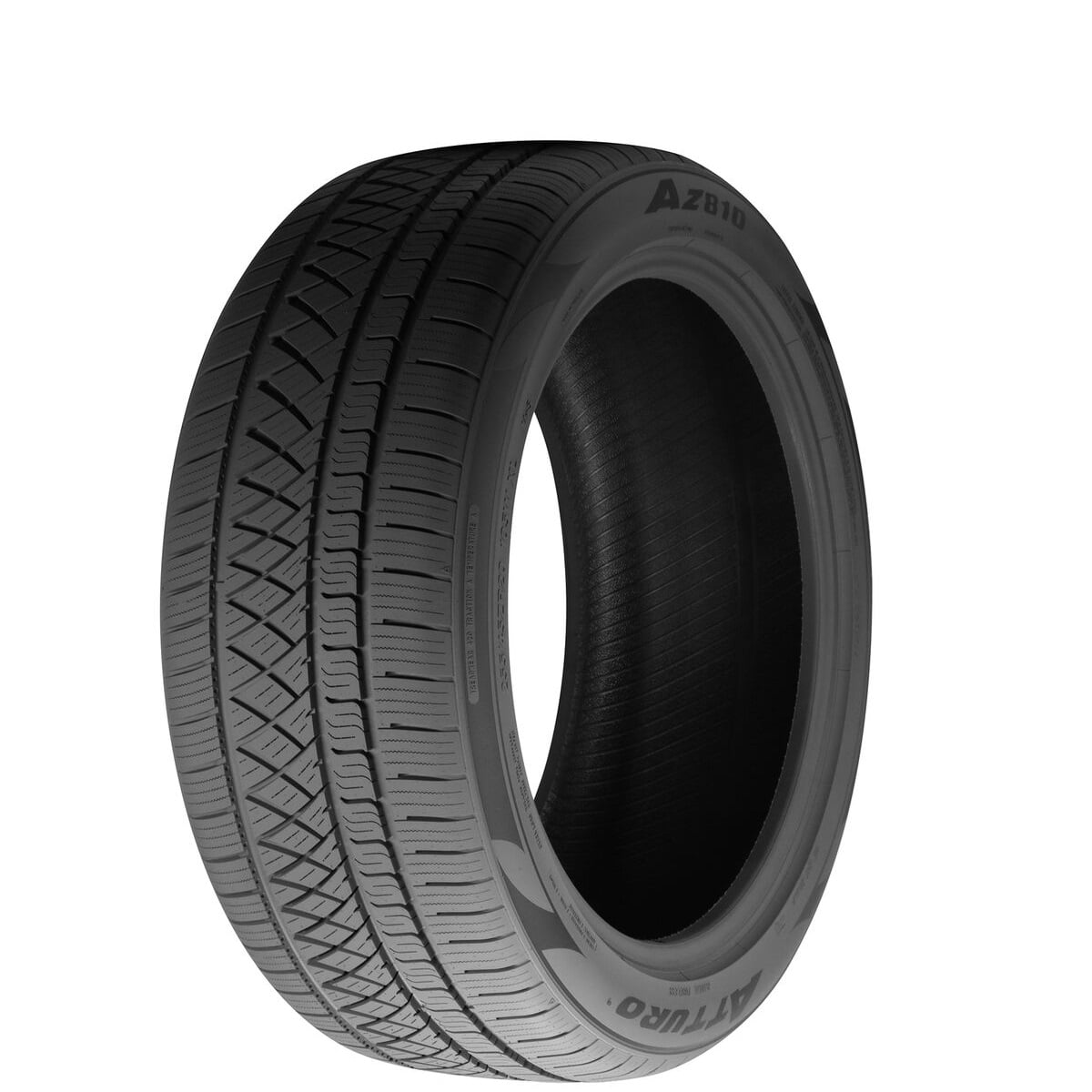
Here’s a look at some key models available in Quebec:
- Atturo AZ810 et TrailBlade GT (trucks)
- Atturo AZ810 and TrailBlade GT (trucks)
- Michelin CrossClimate2 and Agilis CrossClimate2 (trucks)
- Bridgestone WeatherPeak
- Goodyear Assurance WeatherReady and Wrangler (trucks)
- General Altimax 365
- Firestone WeatherGrip
- Nokian Remedy WRG5, Outpost (trucks)
- Nordman Solstice 4
- Yokohama Geolander CV4S
- General Altimax 365AW
- Hankook Kinergy 4S2, new WeatherFlex
- Falken Aklimate
- Toyo Celsius II
- Pirelli WeatherActive Line
- Nitto Motivo 365
- Vredestein Quatrac
- Continental VanContact A/S
- Cooper Enduramax, XT3,
- AT-3 XLT
- Falken Wildpeak (trucks)
This list is just not exhaustive. Ask your supplier for even more brands and models.

Éric Descarries


L'Automobile Magazine
News
Business Directory