

 En
En  Fr
Fr Tires
Continental launches the TerrainContact A/T2
German tire manufacturer Continental Tire has announced the production of the TerrainContact A/T2, an all-season tire designed for CUVs, SUVs, and light trucks. ...
Continental launches the TerrainContact A/T2
German tire manufacturer Continental Tire has announced...

Coats relaunches its RC Series
American manufacturer Coats has announced the return of...

BendPak Launches Its New APEX AT26 Tire Changer
Manufacturer BendPak has unveiled its all-new APEX AT26...
Marc-André Roy
Hits: 1637
Innovation and Wheel Technologies for Automotive Vehicles : A Future in Motion
Marc-André Roy
Hits: 1637
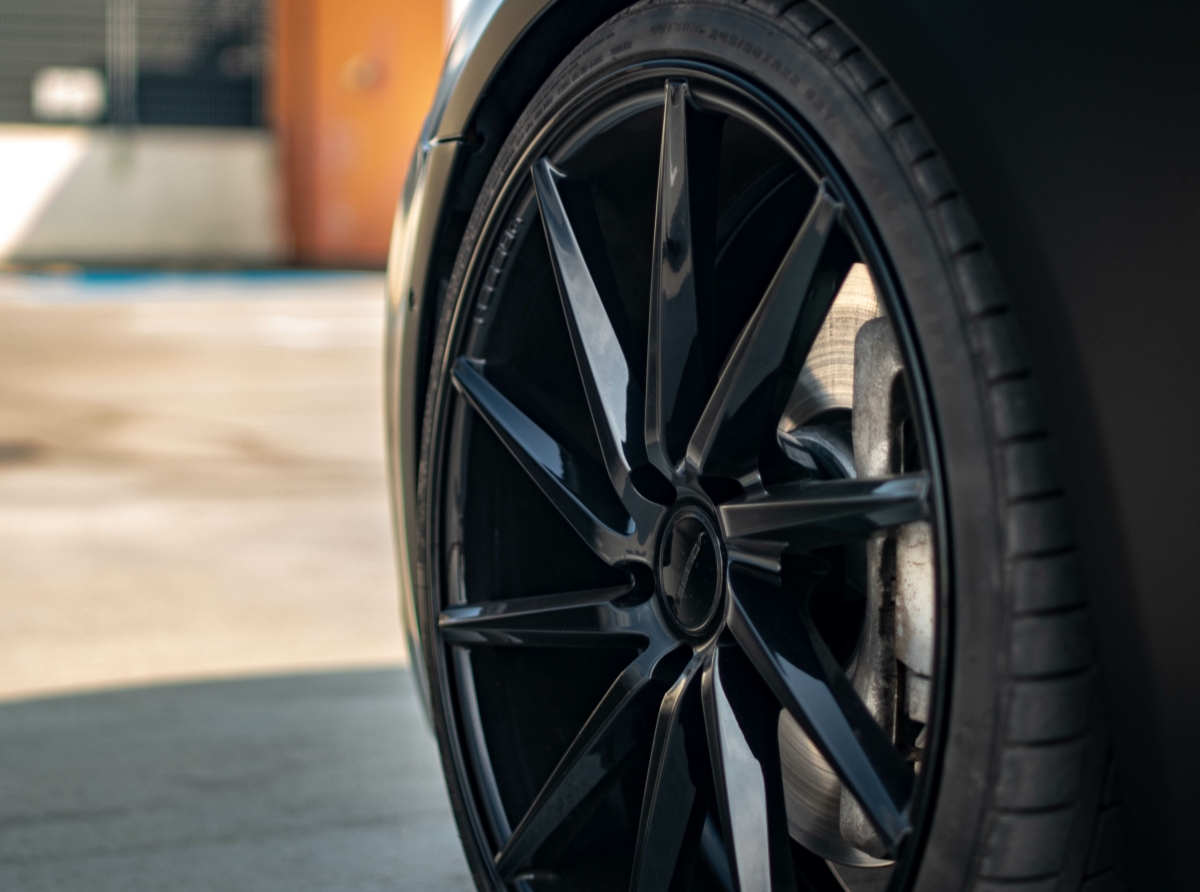
Since the invention of the wheel, this fundamental element has played a central role in the development of transportation, including automotive vehicles. However, far from being a static component, the wheel has been the subject of constant innovation, addressing needs for efficiency, safety, and sustainability. Today, with technological advancements and environmental challenges, automotive wheels are becoming symbols of ingenuity, integrating innovative materials, smart sensors, and futuristic designs. This article explores technological advancements in the field of automotive wheels, highlighting their impact on vehicle performance and the promising perspectives they open.
The Foundations: The Evolution of Materials
Over the decades, the materials used to manufacture wheels have evolved significantly, influencing their weight, durability, and performance.
- Traditional Steel : Steel wheels, still widely used, are robust and economical. However, their high weight limits their adoption in modern vehicles, especially those designed for better energy efficiency.
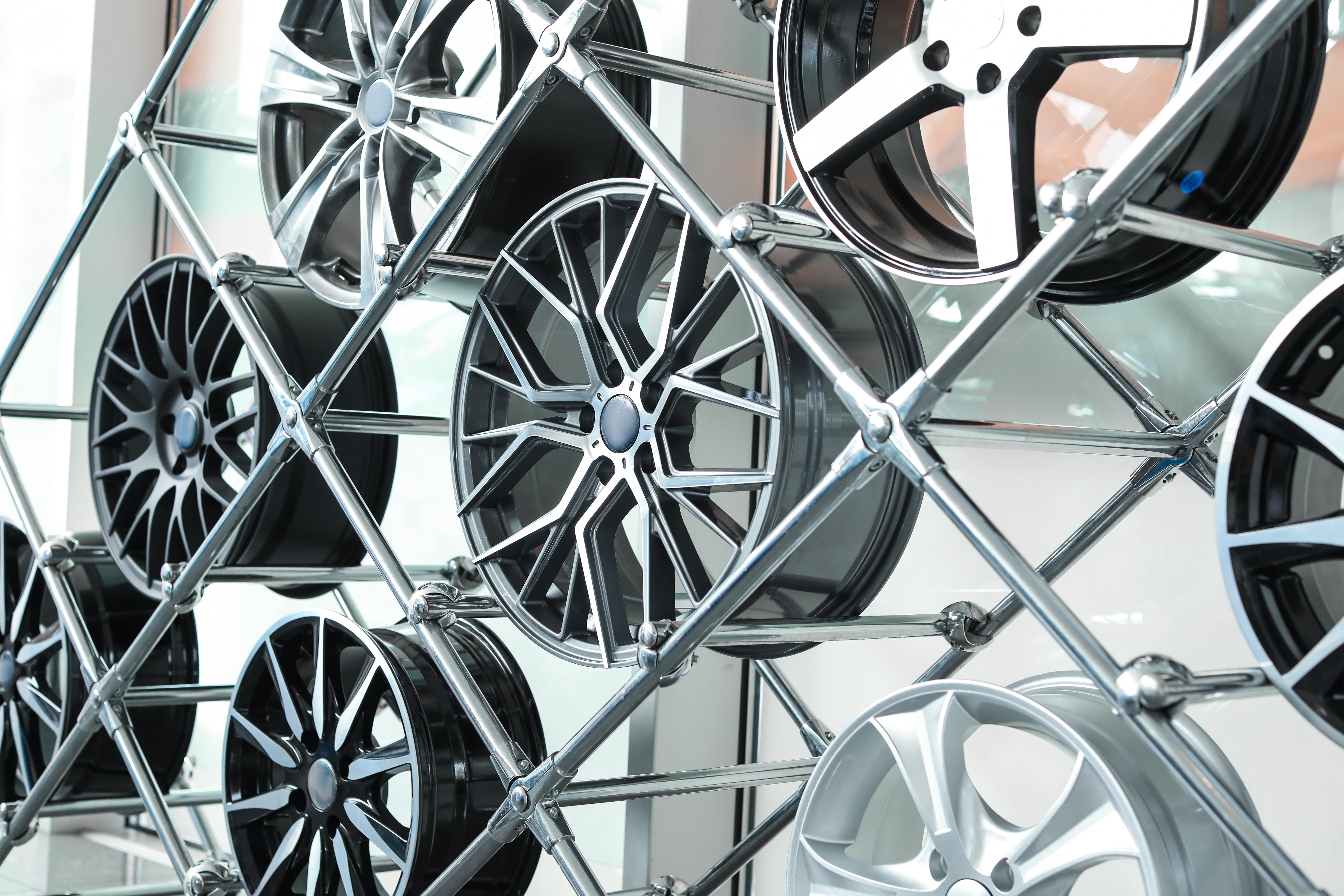
- Light Alloys : Aluminum or lightweight alloy wheels offer an ideal balance between weight and strength. They improve fuel efficiency and vehicle handling while offering more aesthetic designs.
- Composite Materials : Recent advancements have led to the development of carbon fiber or polymer composite wheels. These materials are extremely lightweight and durable, though still costly to produce. They are primarily used in sports vehicles and high-end cars.
The evolution of materials has significantly reduced wheel weight, a key factor in improving energy efficiency and reducing greenhouse gas emissions.
Integrated Smart Technologies
Modern wheels are no longer mere mechanical components; they are becoming sophisticated technological platforms thanks to the integration of sensors and electronics.
a) Tire Pressure Monitoring Systems (TPMS)
Since their introduction, TPMS have become mandatory in many countries. These sensors :
- Alert drivers of inadequate tire pressure, enhancing safety and reducing tire wear.
- Optimize fuel consumption, as correct pressure reduces rolling resistance
b) Connected Wheels
With the rise of connected vehicles, wheels themselves can collect and transmit real-time data:
- Anomaly Detection :
Integrated sensors monitor vibrations or imbalances, signaling potential problems before they become critical. - Interaction with Autonomous Driving Systems :
from wheels, such as traction or grip, can be used by AI systems to adjust driving in real-time.
c) Energy Generation by Wheels
Some experimental technologies allow wheels to generate energy from their rotation. These systems could power integrated sensors or even auxiliary vehicle devices, contributing to overall energy efficiency.
Innovations in Design for Enhanced Performance
Wheel design has also evolved, influencing not only esthetics but also performance.
- Aerodynamics : Modern wheels are designed to minimize aerodynamic drag, a critical factor in improving energy efficiency, especially in electric vehicles.
- Noise Reduction : New-generation wheels and tires are designed to reduce noise pollution. Specialized designs help absorb vibrations and sounds caused by road contact.
- Modularity and Customization : Increasingly, manufacturers offer modular wheels, allowing users to easily customize their appearance or adapt them to different environments.
Sustainability and Environmental Responsibility
In the face of environmental challenges, automotive wheels play a key role in efforts to reduce vehicle carbon footprints.
- Réduction des émissions indirectes : By using recyclable materials or lightweight alloys, modern wheels help decrease fuel consumption and associated emissions.
- Increased Longevity : Innovations in materials and design have made wheels more durable, requiring fewer replacements and reducing waste.
- Eco-Friendly Production : Some manufacturers are adopting more sustainable manufacturing processes, using renewable energy sources and minimizing industrial waste.

Tires: An Inseparable Complement
Although distinct, tires and wheels are closely interconnected. Innovations in tires directly influence wheel performance, and vice versa. Notable advancements include:
- Airless Tires : Paired with specially designed wheels, these tires eliminate the risk of punctures while offering greater durability.
- Pneus intelligents : Equipped with sensors, these tires collect data on wear, pressure, and road conditions, complementing the information provided by connected wheels.
The Future of Automotive Wheels
The future of automotive wheels looks promising, with innovations that could further transform their role in vehicles:
- Integrated Wheel Motors : Some prototypes integrate electric motors directly into the wheels, eliminating the need for a central engine. This technology is particularly promising for electric vehicles and urban transportation.
- Adaptive Wheels : Wheels capable of adapting to different driving conditions, such as altering their grip or shape, could revolutionize safety and vehicle versatility.
- 3D-Printed Wheels : 3D printing enables the rapid production of customized wheels with minimal waste. This could lower production costs while offering innovative designs.
Conclusion
Automotive wheels are far more than support for tires: they have become essential technological elements, contributing to vehicle efficiency, safety, and sustainability. Advances in materials, smart sensors, and innovative design demonstrate that wheels will continue to play a central role in the evolution of the automotive industry.
In a world where vehicles are becoming increasingly autonomous and electric, the wheels of the future will not only be witnesses but also key players in this transformation. For manufacturers and consumers alike, investing in cutting-edge wheel technologies is not only a matter of performance but also a necessity to meet the demands of a sustainable future.

Marc-André Roy


L'Automobile Magazine
News
Business Directory