

 En
 Fr
Innovation / Fleet
Toyota unveils sportier Crown Signia GT-S concept at SEMA 2026
Toyota is showcasing the Crown Signia GT-S at SEMA 2026, a concept that transforms its family-oriented SUV into a sporty grand touring vehicle. With a lowered stance, aerodynamic enhancements and performance-focused equipment, the prototype offers a fresh inte...
Toyota unveils sportier Crown Signia GT-S concept at SEMA 2026
Toyota is showcasing the Crown Signia GT-S at SEMA 2026...

Stellantis to adopt LFP batteries for several European EV models in 2027
Stellantis plans to equip many of its European electric...
Honda develops in-motion wireless charging for electric vehicles
Honda is advancing its research into wireless charging ...
Éric Descarries
Hits: 14
Stellantis to adopt LFP batteries for several European EV models in 2027
Éric Descarries
Hits: 14
Stellantis has announced that many of its European electric vehicles will switch to lithium iron phosphate (LFP) batteries, which are less expensive than nickel manganese cobalt (NMC) batteries, starting in 2027. CEO Antonio Filosa outlined the plan as part of the automaker's efforts to improve competitiveness in the European market, where its operations have been losing money.
According to the International Energy Agency, LFP battery packs were more than 40% cheaper per kWh on average than NMC batteries in 2025. This difference could translate into savings of several thousand euros for a compact SUV equipped with a 65 kWh battery pack.
Filosa indicated that the switch to LFP batteries would act as an accelerator, allowing Stellantis to take advantage of Europe's increasingly rapid transition to battery electric vehicles, driven in part by high fuel prices and regulatory requirements.
Most electric vehicles produced by non-Chinese automakers still use NMC batteries, which offer higher energy density but are also more expensive. LFP batteries cost less partly because they require neither nickel nor cobalt, two raw materials subject to considerable price volatility.
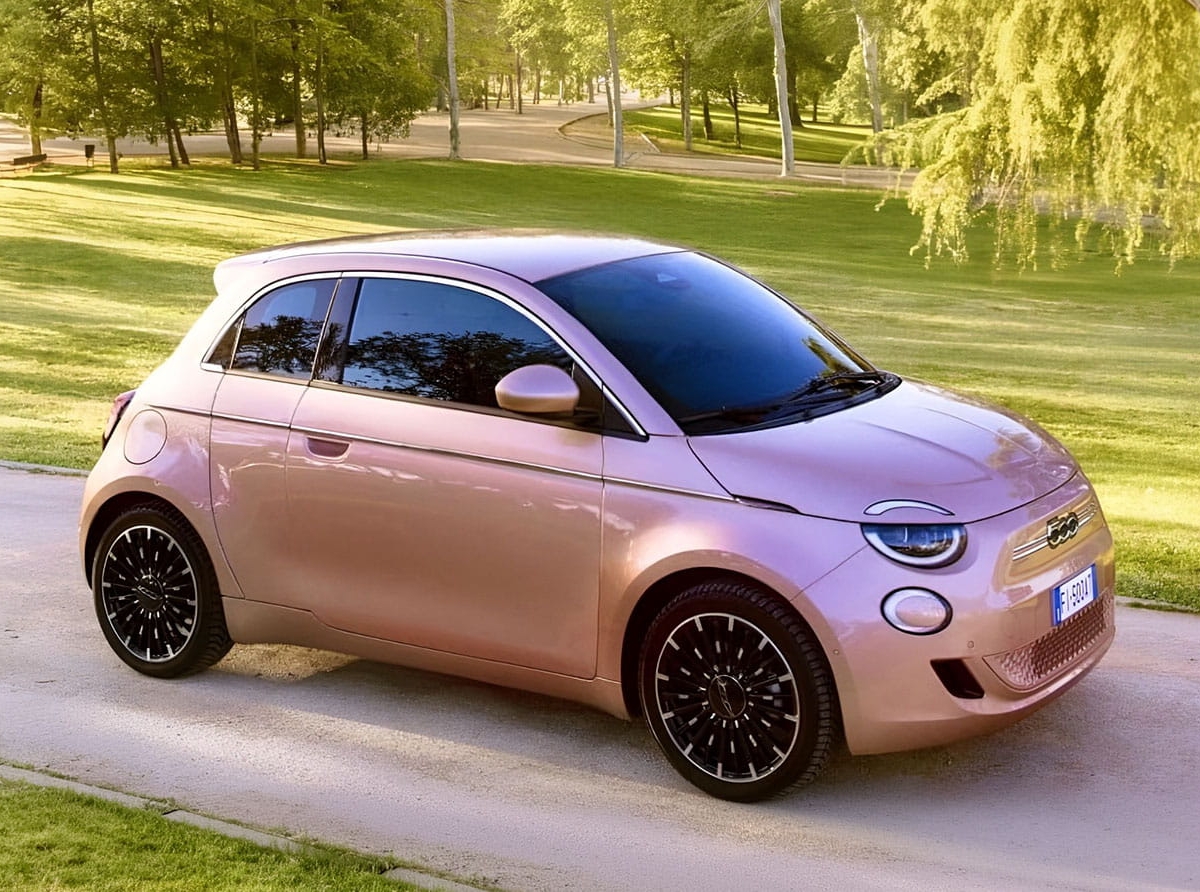
The Stellantis Fiat 500e could be among the first models to switch from NMC to LFP batteries. The technology is already used in some of the group's entry-level electric vehicles, including the Citroën ë-C3 and Fiat Grande Panda.
(Photo: Stellantis)

Éric Descarries

L'Automobile Magazine
News
Business Directory