

 En
En  Fr
Fr Collision
Axalta Launches a New Specialized Brand
Axalta used the recent Automechanika Frankfurt 2026 trade show in Frankfurt, Germany, to launch a new specialized brand and introduce new solutions for automotive repair professionals. Added to the company's portfolio, these new offerings are designed to help ...
Axalta Launches a New Specialized Brand
Axalta used the recent Automechanika Frankfurt 2026 tra...
Car-O-Liner introduces the AW-Tong accessory for the CTR9
American manufacturer Car-O-Liner now offers the AW-Ton...
The Most Dangerous Repair Is the One That Looks Perfect
As modern vehicles continue to incorporate more advance...

L'Automobile
Hits: 1575
SMART Repair: A Targeted and Sustainable Approach
L'Automobile
Hits: 1575
Technological advancements in auto body repair are a recurring topic, and the GAA observes this in its operations. Each year, suppliers introduce new products designed to make the work of technicians—both in repair and painting—easier.
Less Invasive Methods to Be Promoted
We're seeing the rise of automated systems, such as robotic welders for workshops that can autonomously perform all resistance spot welds on a body panel.
In Québec, automatic paint mixers are also making an appearance. These devices can precisely recreate a color without human intervention, using a spectrophotometer.
These innovations, as promising as they are impressive, are expected to profoundly transform the daily routines in auto body shops. However, beyond technological progress, our industry must also be ready to question its business model—not only in form but in its very foundations.
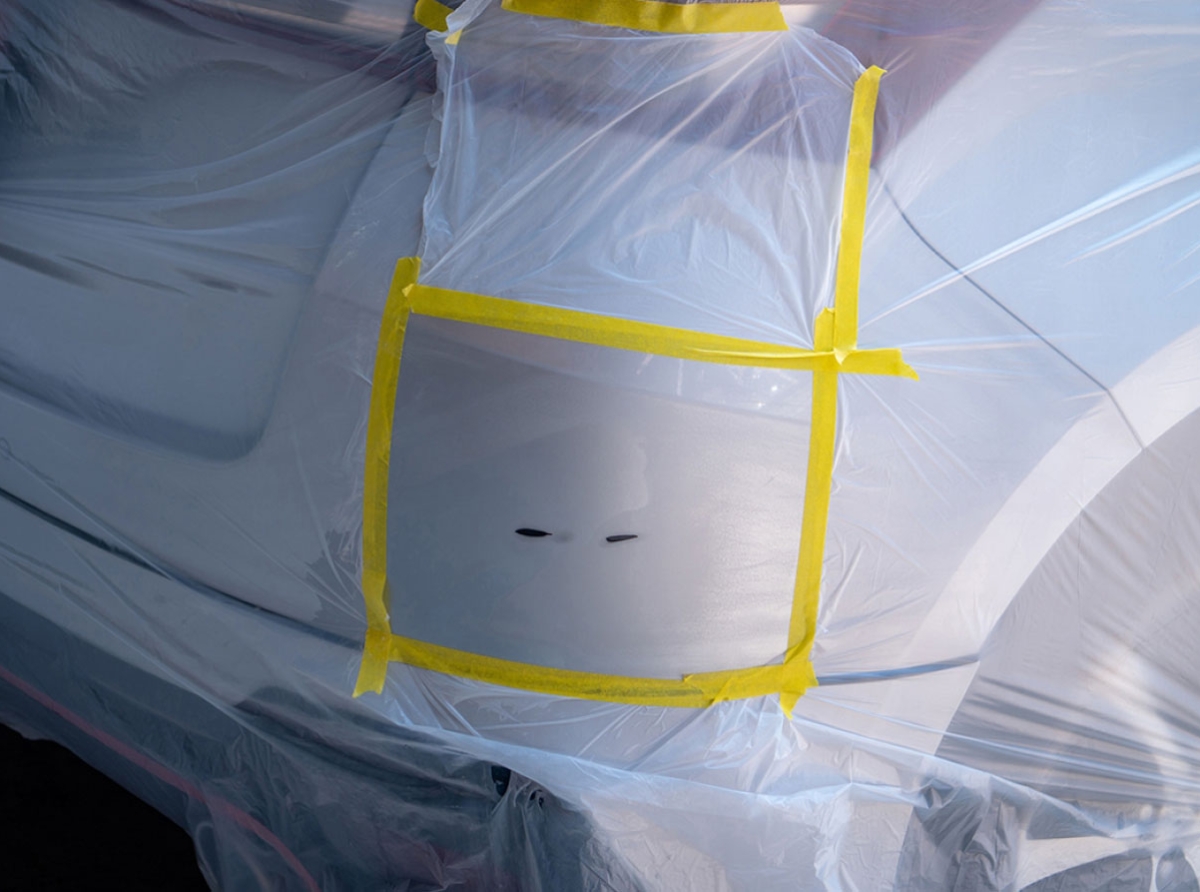
SMART Repair (Small to Medium Area Repair Technology) represents a new trend focused on non-invasive and more efficient repair methods. This approach is based on the use of innovative products and specialized techniques to limit the scope of repairs on a damaged vehicle.
Primarily intended for cosmetic damage, this method enables quick and localized repairs. It relies on technologies such as Paintless Dent Repair (PDR), UV-curing products, plastic welding, advanced masking techniques, and precise paint application processes.
Meeting the Expectations of Clients and Workshops
Access to training by various specialized SMART Repair providers shows the growing interest in this approach—especially among repair professionals who want to reduce vehicle downtime for their clients. Paint suppliers now offer dedicated training programs to help painters master these new methods.
This repair methodology is expected to expand in the coming years. In fact, it’s set to be included in the WorldSkills Competition in Europe, a sign of its international recognition. Just like dedicated zones for estimating, aluminum, or 3D measuring have recently been introduced in workshops, it's highly likely that dedicated SMART Repair spaces will become standard in tomorrow’s body shops.
Toward a More Responsible Industry
The GAA and insurers will undoubtedly play a key role in supporting repairers through this transition by promoting this type of methodology. By limiting intervention on the vehicle, SMART Repair fits perfectly into an approach that reduces product waste and the industry’s ecological footprint.
It’s a true paradigm shift. While this approach is relatively new to traditional body repair, it’s already well-established in the automotive glass sector, where windshields have been repaired for over 30 years as soon as they show damage.
As part of its mission, the GAA keeps a close watch on new trends in our industry. Clearly, the benefits of SMART Repair are numerous: reduced costs, faster turnaround times, and a smaller environmental impact. This method represents a natural and necessary evolution for an industry striving for performance, sustainability, and adaptability.

By Norbert Lemoine, Automotive Estimation Consultant, GAA
Learn more: GAA - Estimation 24 sur 24


L'Automobile

L'Automobile Magazine
News
Business Directory