

 En
En  Fr
Fr Business
First drive of the Lotus Eletre
I had barely finished driving a Lotus Emira sports coupe for an article on my personal website when I got the opportunity to get behind the wheel of the all-new Eletre Super SUV from the same automaker....
First drive of the Lotus Eletre
I had barely finished driving a Lotus Emira sports coup...

Lotus celebrates the arrival of its Eletre in Canada
After all the anticipation surrounding their arrival, t...

Maserati is looking for a partner
Italian automaker Maserati, one of the brands under the...

Mathieu Brunel
Hits: 14
China’s Automotive Industry Slows Down: What Does It Mean for Canada and the Global Market?
Mathieu Brunel
Hits: 14
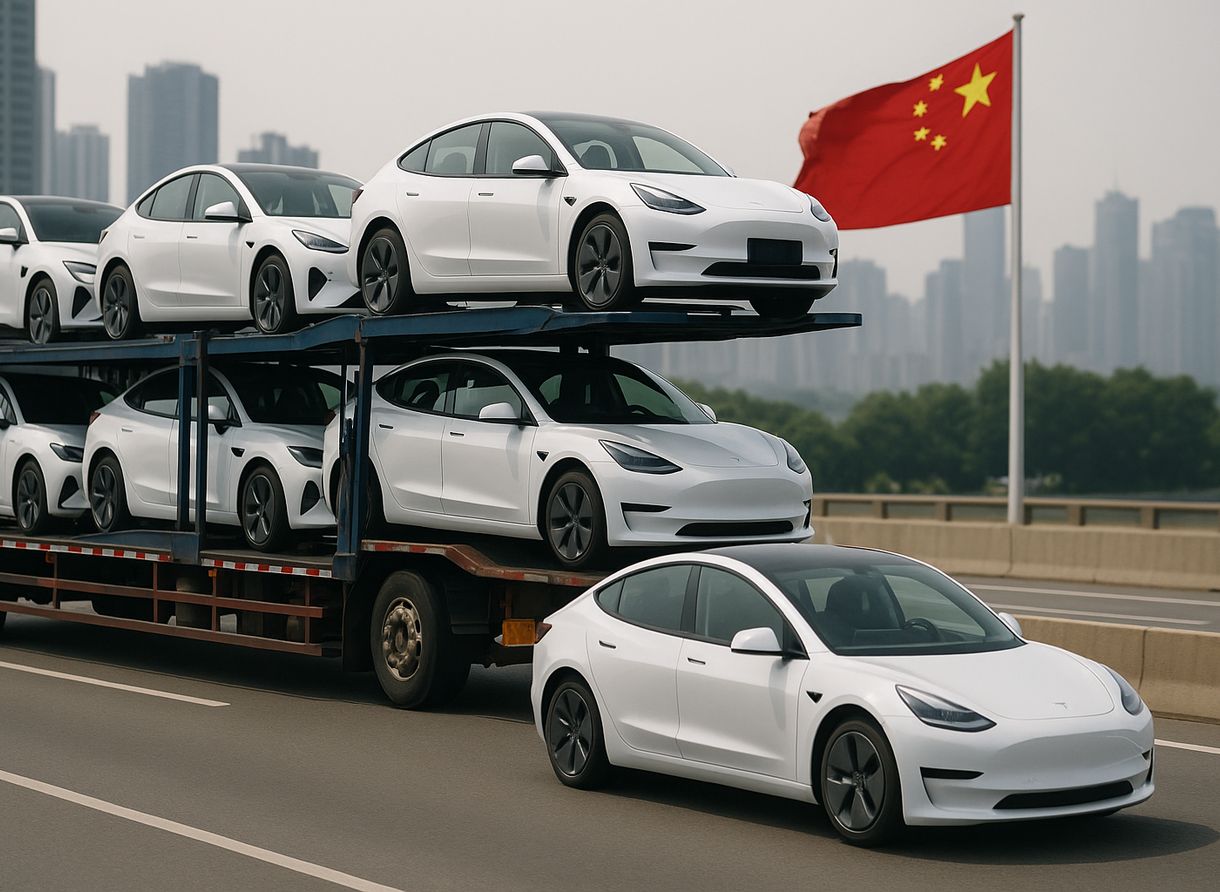
China’s automotive sector, long a driver of global growth, is now showing signs of fatigue. This slowdown, rooted in multiple causes, is having major repercussions throughout the value chain, from international automakers to consumers. This article explores the reasons behind this shift, the consequences for the global industry, and the opportunities and challenges emerging for the Canadian market, at a time when electrification and global competition are reshaping strategies.
An Industry in Transition: Examining China’s Slowdown
Long seen as the engine of the global automotive industry, China is now experiencing a slowdown in this key sector. After years of steady growth, several indicators point to a contraction in demand and a profound transformation of China’s automotive ecosystem. The consequences extend far beyond the country’s borders, impacting the entire global market—including Canada, which must adapt its strategies to this new reality.
Causes of the Slowdown
Several factors are behind the slowdown in China’s automotive industry. Domestic demand, which fueled sales growth for over a decade, has recently lost momentum. This is due in part to a less favourable economic climate, high household debt, and market saturation in major cities. At the same time, the shift toward electric vehicles, new environmental regulations, and the rise of new domestic players are disrupting the competitive landscape.
Intensified competition between local and foreign automakers, pricing pressures, and streamlined model lineups have also dampened the sector’s dynamism. The industry now faces a more discerning customer base, increasingly focused on electric and smart vehicles, while interest in traditional combustion models is waning.
Implications for International Automakers
For major foreign automotive groups, the Chinese market was until recently a significant source of growth and profitability. In response to the slowdown, some are reassessing their investments and adjusting their local strategies. Margins are tightening due to increased competition from Chinese brands, which are especially active in the competitively priced electric vehicle segment. International automakers must also adapt to the rapidly evolving expectations of Chinese consumers, who now prioritize onboard technology, connectivity, and sustainable mobility.
In this context, global players are being pushed to innovate more quickly, revamp their offerings, and rethink their industrial presence in China. Many are turning to local partnerships to better understand market specifics and accelerate their technological adaptation.
Impact on the Supply Chain and Suppliers
The slowdown in the Chinese market is affecting the entire automotive supply chain. Component suppliers—especially those specializing in batteries, onboard electronics, or driver assistance systems—must contend with more volatile demand and the rise of new local competitors. Adjustments in production capacity and logistics are being observed, which can affect the stability of international trade flows.
Additionally, fluctuations in the Chinese market influence global prices for certain strategic materials, such as lithium and rare earths, which are essential for electric vehicle manufacturing. This can impact production costs for both Canadian and international automakers, who partly rely on these resources.
Canada: Challenges and Opportunities
For the Canadian market, the slowdown of China’s automotive industry presents both risks and opportunities. On one hand, reduced Chinese demand for certain vehicles and components could put downward pressure on export prices. Canadian companies exporting to China may see their volumes decline, prompting them to diversify their markets.
On the other hand, China’s accelerated shift toward electrification and the growing competitiveness of its brands in the electric vehicle segment could intensify competition in Canada. Some Chinese brands, already active internationally, may seek to strengthen their presence in North America, offering Canadian consumers new options for affordable, sustainable mobility.
Canada, with its wealth of strategic natural resources such as lithium, could also play a greater role in the global supply chain for batteries and electric vehicles—provided it invests in infrastructure and strengthens its industrial partnerships.
Implications for Consumers
For Canadian consumers, changes in the Chinese automotive market could lead to a more diverse selection of electric vehicles, potentially at more competitive prices. However, uncertainty surrounding global supply chains and the volatility of critical material costs could also influence the final price of imported or locally assembled vehicles.
The arrival of new international players in the Canadian market could spur innovation, but will also require local automakers to invest in advanced technologies and mobility solutions tailored to customer expectations.
A New Global Dynamic
The slowdown in China’s automotive industry marks a turning point for the sector’s global dynamics. While this shift presents challenges for traditional players, it also opens the door to a reorganization of value chains, technological advancements, and a reshuffling of the deck in major markets—including Canada.
In this context, adaptability, innovation, and international collaboration will be essential to turn current challenges into sustainable opportunities for both automakers and Canadian consumers.

Mathieu Brunel


L'Automobile Magazine
News
Business Directory