

 En
En  Fr
Fr Business
Fuel economy standards are changing in the United States!
The Trump administration has finally succeeded in significantly rolling back federal fuel economy standards, a move expected to save automakers billions of dollars. In fact, Trump (and company) is essentially reversing a decision by his predecessor,...
Fuel economy standards are changing in the United States!
The Trump administration has finally succeeded in signi...
Have You Visited the Musée Rodrigue?
Last month, there was quite a bit of talk about the Mus...

Auto sport rétro - A hot Friday night in Laval!
In winter, enthusiasts of beautiful cars have to head i...

Éric Descarries
Hits: 11
Fuel economy standards are changing in the United States!
Éric Descarries
Hits: 11
The Trump administration has finally succeeded in significantly rolling back federal fuel economy standards, a move expected to save automakers billions of dollars. In fact, Trump (and company) is essentially reversing a decision by his predecessor, Joe Biden, to impose a Corporate Average Fuel Economy (CAFE) standard of 50.4 miles per gallon (approximately 4.7 L/100 km) on average for passenger vehicles by 2031. This standard was intended to cover ALL cars and light trucks produced for consumer sale! However, the decision has drawn criticism from environmentalists and analysts, who warn consumers that they'll end up paying more at the pump.
For automakers, the Trump administration estimates that technology costs will fall by $60.6 billion by 2031. For example, General Motors could save $20.4 billion, Stellantis $6.6 billion, Ford $5.8 billion, Toyota $4.5 billion and Honda $4.1 billion, all in U.S. dollars.
At the same time, the change eliminates the existing credit-trading system among automakers, starting with the 2028 model year. This system involves a complex calculation that balances fuel economy gains and shortfalls, allowing manufacturers to meet regulatory requirements.
The industry appears to welcome the decision, with the Alliance for Automotive Innovation describing the rollback as an "appropriate course correction" that aligns fuel economy standards with market realities and legal requirements. U.S. Transportation Secretary Sean Duffy, meanwhile, has presented the rollback as a way to make new vehicles more affordable.
This initiative further advances President Donald Trump's determination to dismantle policies introduced during the Biden era, particularly those he believes were designed primarily to promote electric vehicles. Trump, on the other hand, viewed them as a factor driving up new vehicle prices. It's worth noting that he has already eliminated the $7,500 consumer tax credit previously available for electric vehicle purchases. His administration has also moved, through the Environmental Protection Agency (EPA), to repeal a landmark policy that provided the legal basis for setting limits on carbon dioxide emissions from cars and trucks.
Naturally, these new rules from the National Highway Traffic Safety Administration (NHTSA) represent a victory for the American automotive and petroleum industries. Both had complained that the previous requirements would discourage sales of vehicles powered by traditional gasoline internal combustion engines in favour of zero-emission electric models. Automakers, in particular, argued that the stricter standards introduced under Biden had become overly aggressive and would effectively force them to sell more electric vehicles to balance their overall results (remember, CAFE is calculated based on the entire fleet of cars and light trucks produced for sale).
Overall, the Trump administration estimates that automakers' technology costs will decrease by $60.6 billion by 2031, or approximately $1,289 per vehicle.
The new rule is expected to take effect on November 30. Automakers won't need to install as much expensive equipment to improve fuel economy or produce as many electric vehicles as they would have under the Biden administration's regulations.
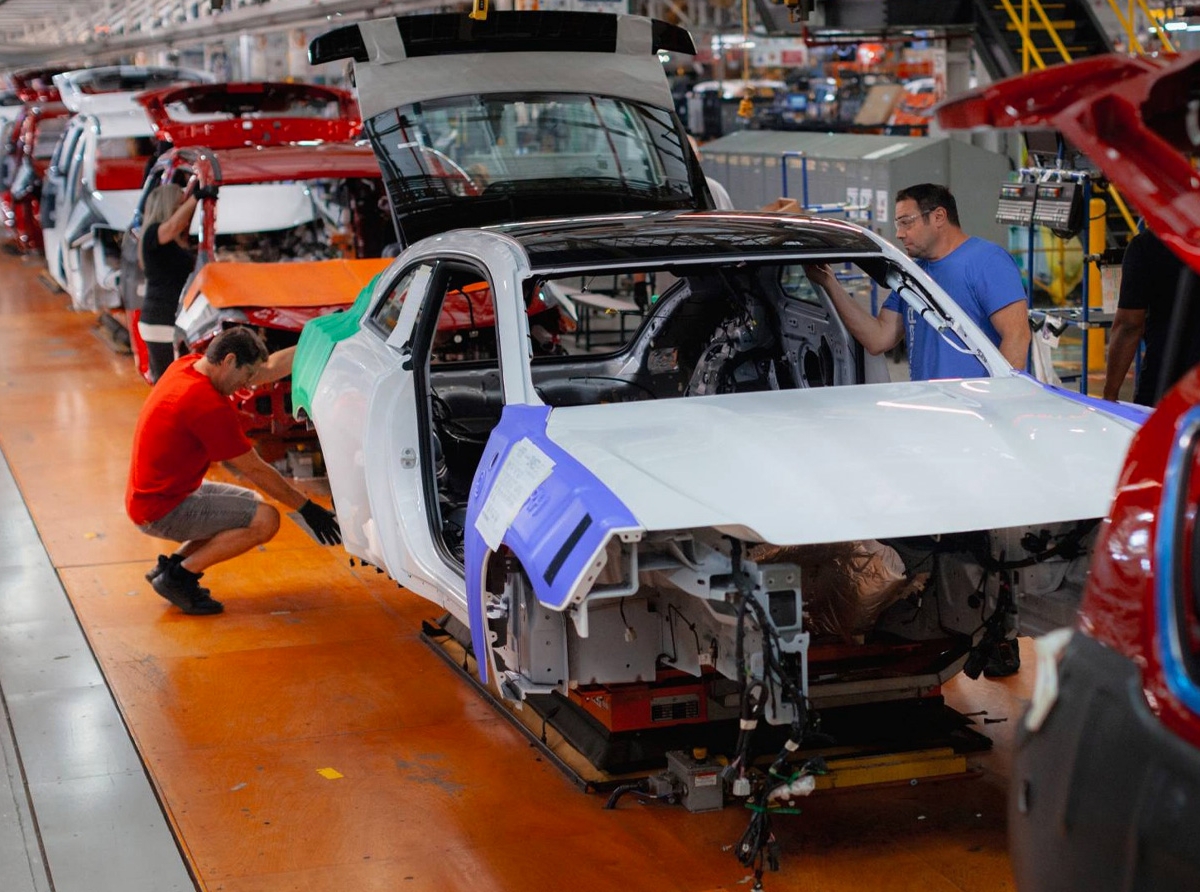
(Photo: Stellantis)

Éric Descarries

L'Automobile Magazine
News
Business Directory