
 En
En  Fr
Fr
Éric Descarries
Hits: 758
Winter tires: which one should you choose?
Éric Descarries
Hits: 758
Editor's note: This article was written in June 2026 as part of our special 2026-2027 winter tire feature. Its publication was delayed, so some time references reflect when the article was originally written.
What follows is intended for garage owners, dealerships, retailers and other professionals, as well as consumers.
Although, at the time of writing in June 2026, summer was just beginning with all the pleasures that come with it, it was already time to start thinking about winter tires. What? Winter tires already? Indeed.
The days when you could wait until the last minute to buy winter tires are gone. Times have changed. There are now so many brands and models available that you can no longer take the risk of waiting until the end of fall before making a decision.
At the time of writing, most major distributors had already placed their “orders,” and their warehouses were full or nearly full. Tire manufacturers had therefore already cleared a good portion of their inventory and were preparing for the seasons ahead. What's more, supplies of certain sizes could already begin to run low. If you wait too long, some sizes could become difficult to find, leaving only much more expensive premium products available.
A small piece of advice for buyers of new vehicles: you might as well order your winter tires right away. Above all, don't wait until inventories begin to run out!
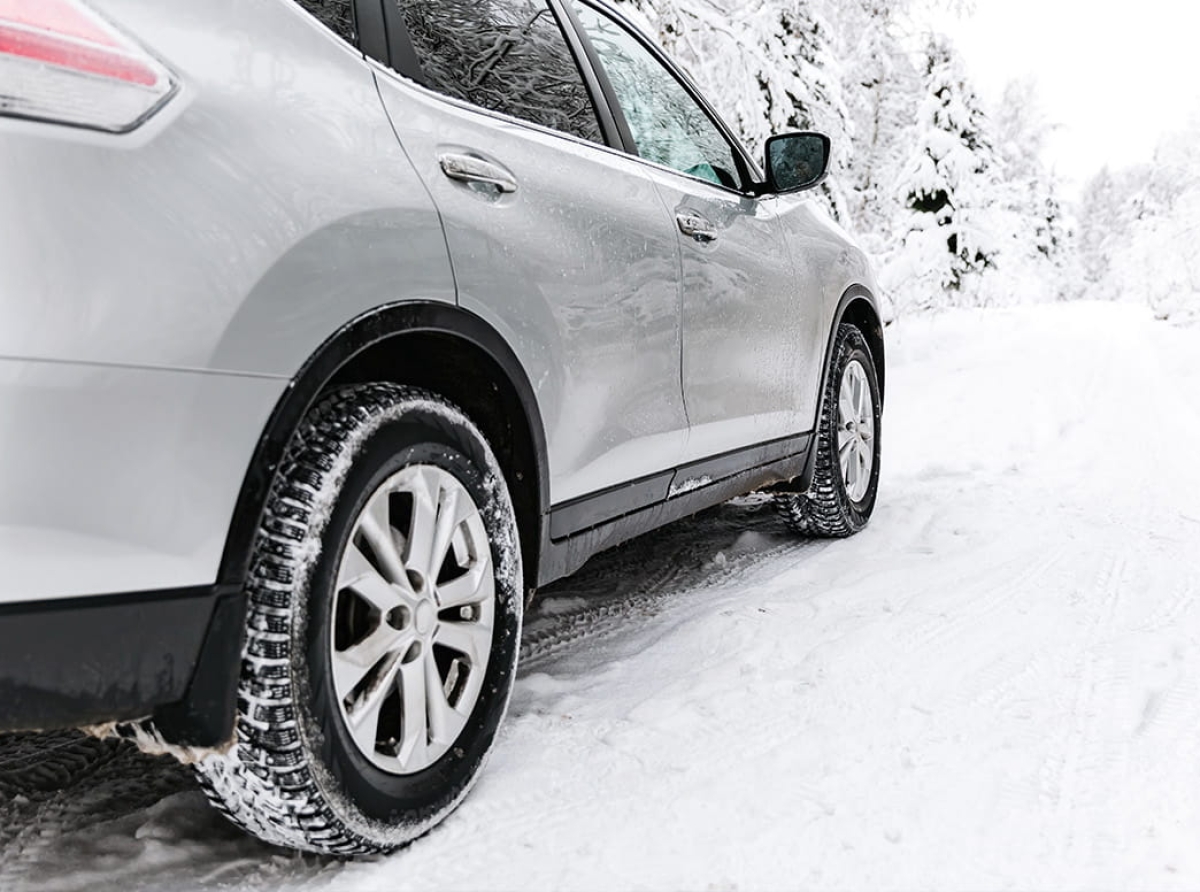
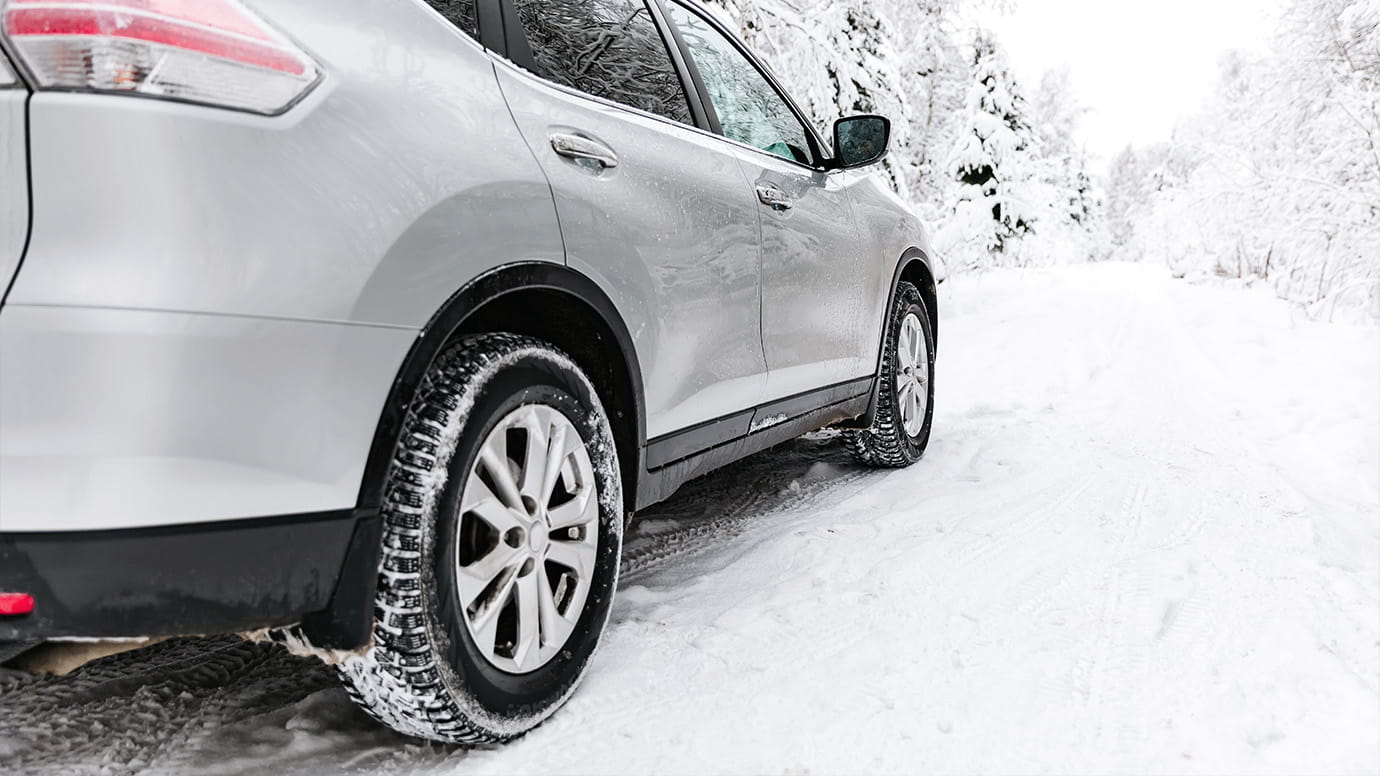
Incidentally, for those who still call them “snow grips” or “snow tires,” keep in mind that winter tire design has become much more specialized than it used to be. Some tires stand out more on ice, while others perform better in snow. For extreme conditions, there are studded tires; for other uses, there are all-weather tires approved for winter driving, as well as tires adapted for electric vehicles.
It is also worth remembering that there are different categories of products on the market: premium tires, mid-range tires and tires that are a little more... ordinary!
Premium tires
These are generally well-known tires from major brands. Many motorists rely exclusively on these products, which in many cases benefit from more sophisticated designs and the latest technologies. Naturally, these tires are among the most expensive, but they are also among the most effective. Here are a few examples.
01
Michelin
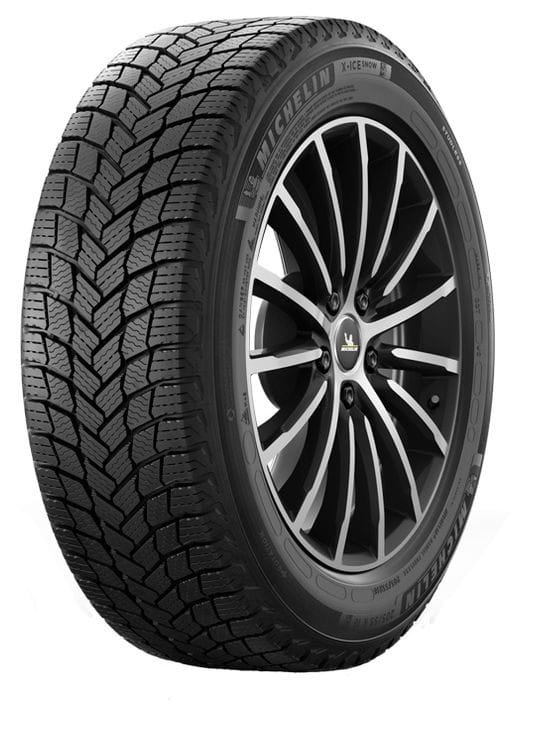
French manufacturer Michelin is certainly one of the favourites among Canadian winter tire users. Its recent X-Ice Snow lineup quickly convinced motorists that these tires could very well be an ideal weapon against snow and ice.
However, every technology has its limits, and Michelin engineers continued to improve the X-Ice Snow to make it more effective and safer, particularly on wet roads. This led to the development of the new generation of Michelin winter tires, the X-Ice Snow+ lineup, which we covered in detail in our special tire edition last spring.
For those looking for a studded tire, Michelin also offers the X-Ice North 4.
02
Nokian
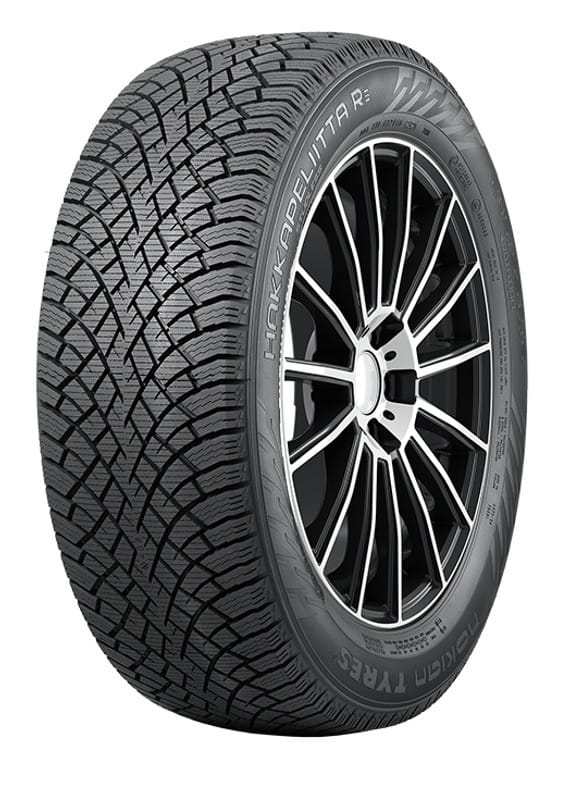
This tire brand comes from Finland, a Scandinavian country that experiences winters similar to ours. Its engineers have succeeded in creating spectacular winter tires that are now well recognized in Quebec and in several other regions of the country.
Among its most recent models are the relatively aggressive Hakkapeliitta 10 — a name inspired by an old battle cry — available with studs. Nokian also offers the R5, a non-studded configuration capable of competing with certain studded tires.
03
Bridgestone
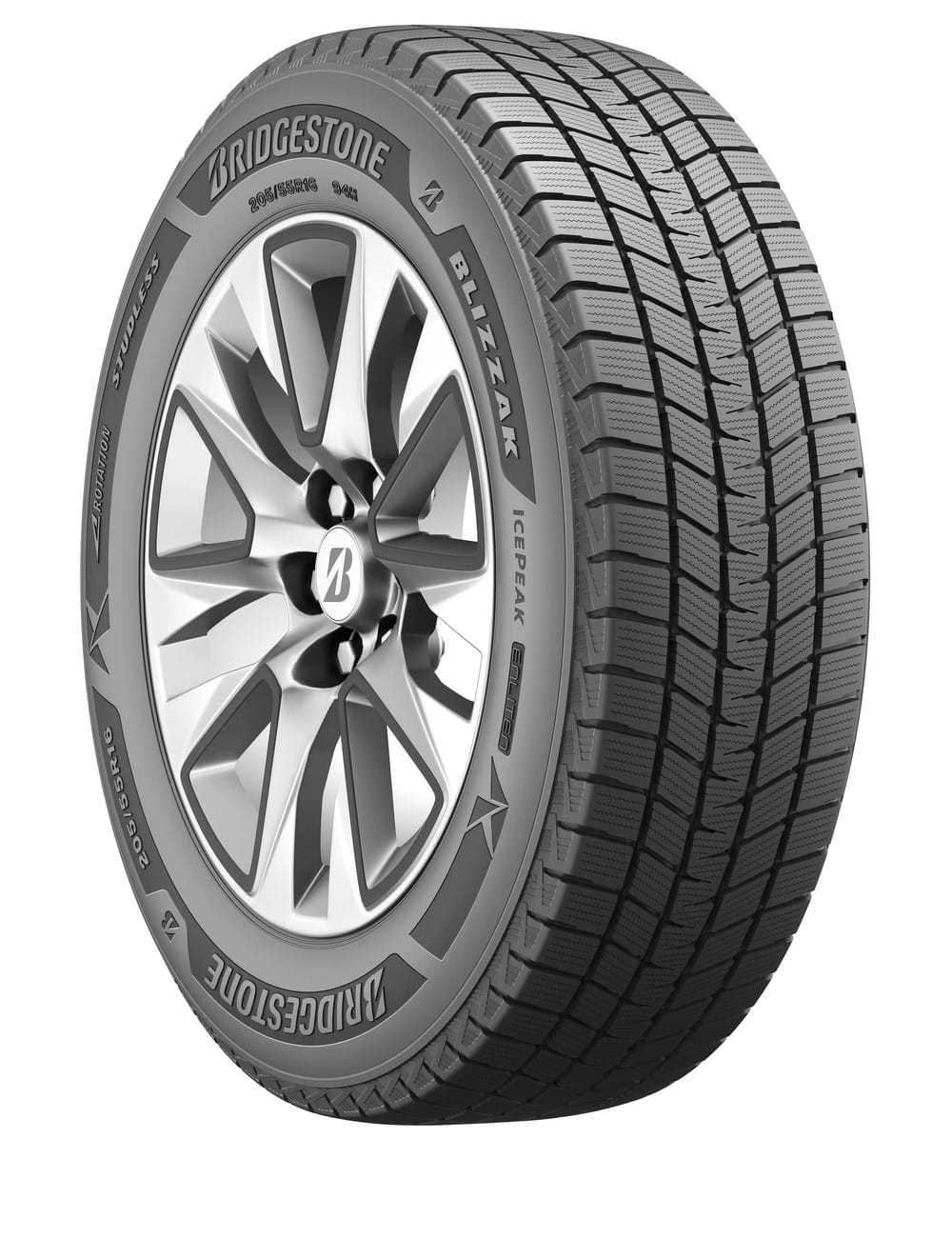
Bridgestone is a Japanese brand that made its mark in the winter tire segment quite some time ago with its Blizzak lineup, which has been greatly improved over the years.
For the coming season, Bridgestone is offering an all-new version of its Blizzak, the IcePeak, which replaces both the popular WS90 for passenger cars and the DM-V2 for SUVs, CUVs and certain pickup trucks.
The manufacturer says this new winter tire was developed using ENLITEN technology, which should provide improved fuel efficiency, greater durability and impressive grip on both ice and snow.
It is also the first Bridgestone tire to display both the Three-Peak Mountain Snowflake symbol and an ice-grip certification.
04
Continental
Continental is a major German brand that has built a strong reputation for effective winter products.
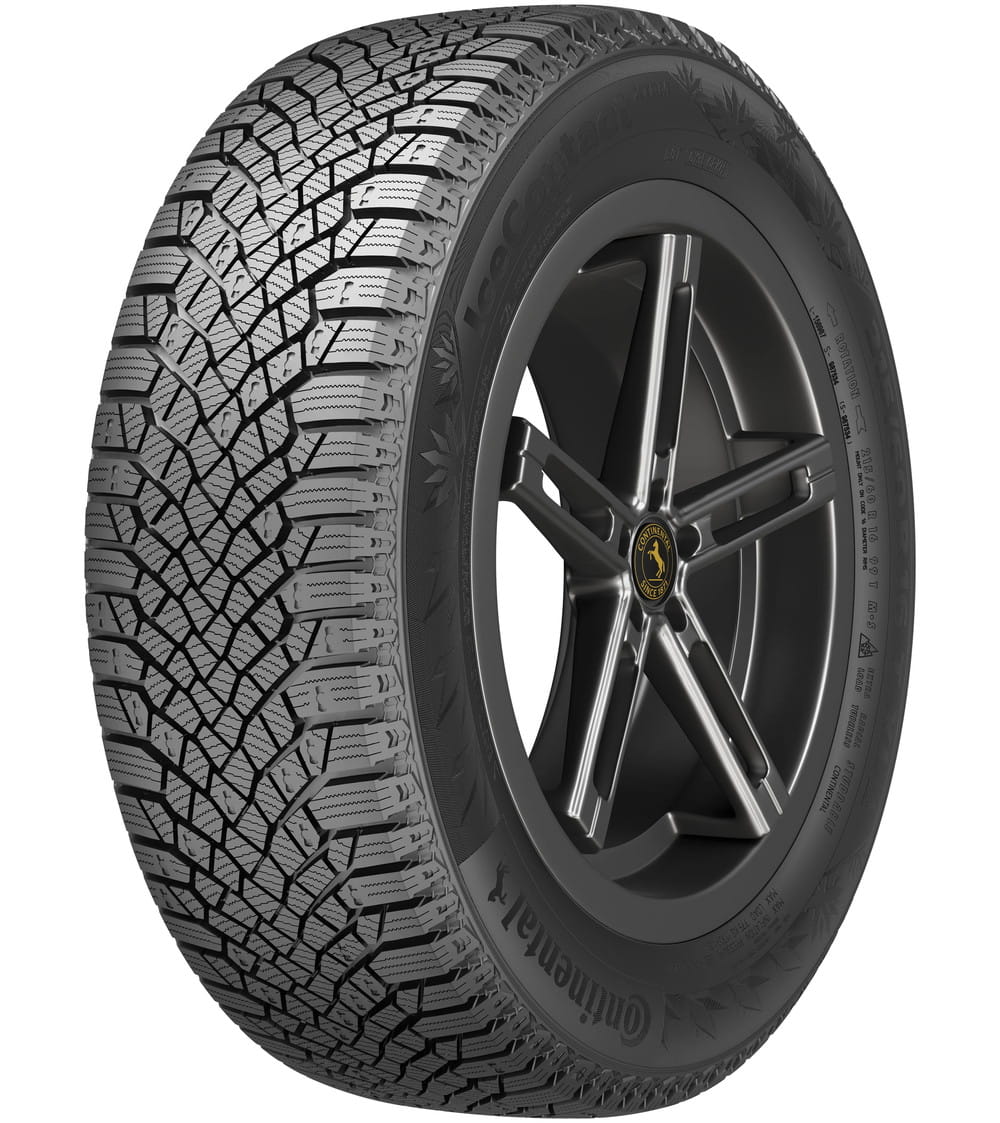
Last winter, it introduced the logical successor to its popular VikingContact 7, the VikingContact 8. However, one of its products particularly well suited to our country remains the IceContact XTRM, developed specifically for Canadian winter conditions.
This tire, which has now been on the market for several years, has already proven itself and is also available with studs.
The WinterContact TS 860 S also remains one of Continental's recognized winter products.
05
Pirelli
Italian manufacturer Pirelli offers more than one winter tire depending on the type of vehicle being fitted.
The true newcomer is the Ice Friction lineup, but the Scorpion Winter 2 should not be overlooked. For performance cars that are still driven during the winter, Pirelli offers the Sottozero 3 as well as the P Zero Winter.
More conventional passenger cars can benefit from the Cinturato 2. Among the manufacturer's innovations is also the Ice Zero Asimmetrico, designed to deliver performance approaching that of a studded tire, but without studs.
06
Toyo
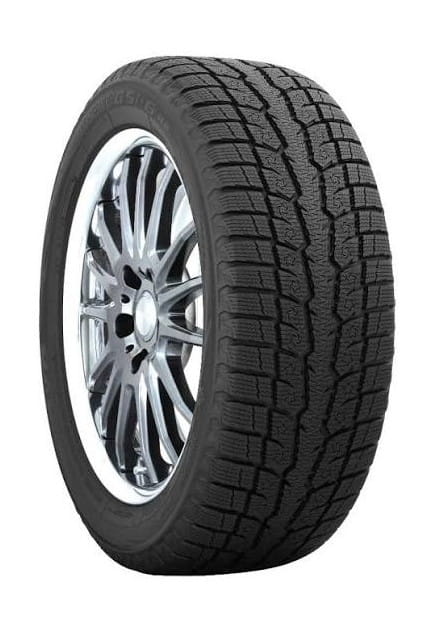
Another Japanese brand, Toyo may be somewhat more discreet, with fewer new products, but its tires remain highly effective.
Among the brand's top winter products are the Observe GSi-6 tires, promoted as offering strong grip without the use of studs. Toyo even produces an HP version for performance vehicles.
07
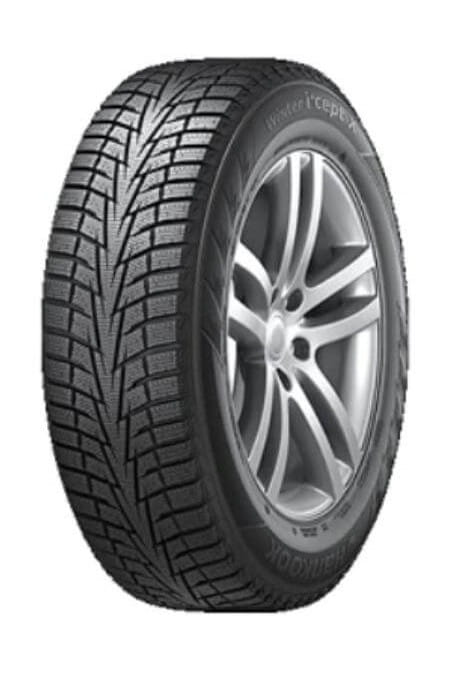
Hankook
Over time, South Korean manufacturer Hankook has succeeded in building a strong reputation.
Among its winter tires are the Winter icept iZ3 for passenger cars and the Winter icept evo3 X for SUVs and CUVs.
Hankook also manufactures a range of tires aimed at compact cars, the i*cept RS3, which features a more elaborate tread design.
08
Nexen
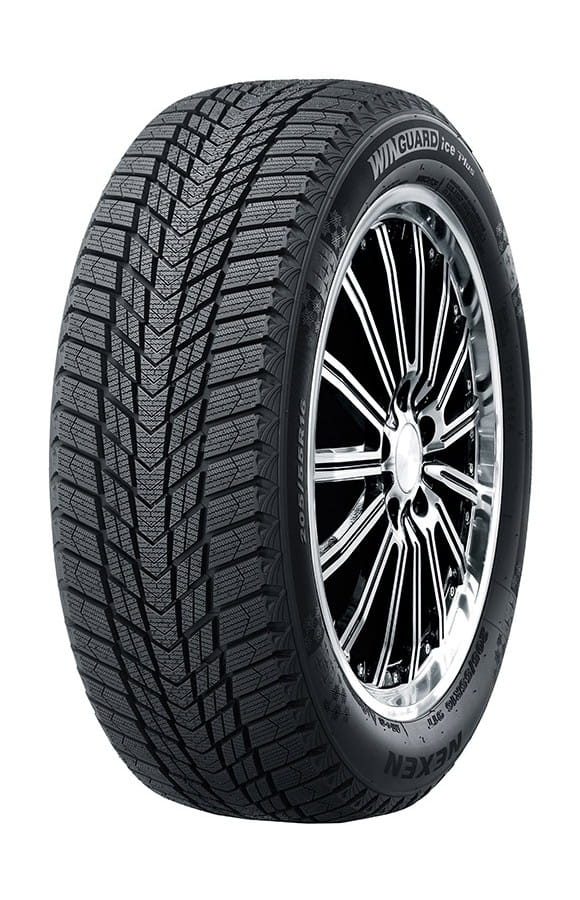
Perhaps less well known in the winter tire segment, Nexen is another South Korean brand offering products under the Winguard name.
These include the Winguard Sport 2, a studless performance tire, the Winguard Winspike 3 with studs and the Winguard Ice Plus (WH43), designed for snow and ice without the need for studs.
It can also be recognized by its distinctive tread pattern.
09
Vredestein
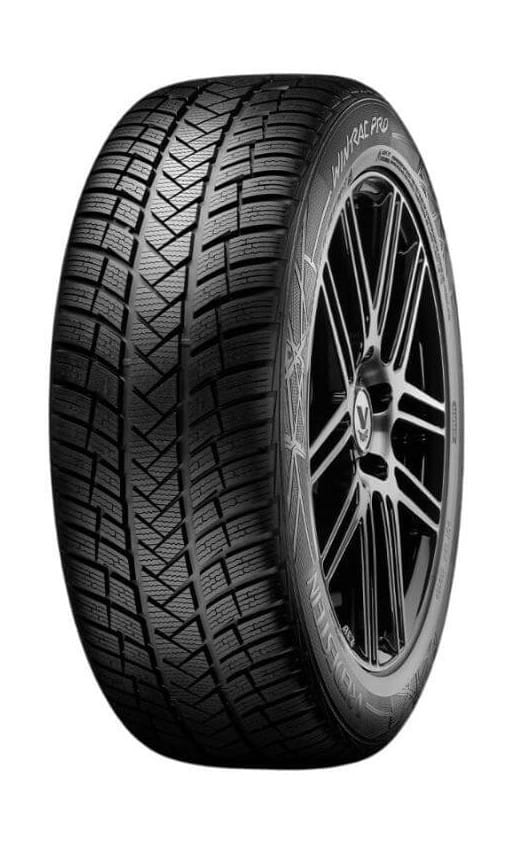
After an initial attempt about 20 years ago to break into the Canadian market, Dutch brand Vredestein is now making a more targeted return.
Its high-quality tires, once associated with renowned designer Giugiaro, now include genuine winter products.
The standard Wintrac model is primarily aimed at small and midsize cars, while the Wintrac Pro is positioned as a performance winter tire. The more recent Wintrac Pro+ is an ultra-high-performance winter tire designed for vehicles capable of very high speeds, with a Y speed rating of up to 300 km/h.
11
Goodyear
This major North American manufacturer returns with its proven WinterCommand Ultra and Ultra Grip series, which stand out in part thanks to rubber compounds designed to remain flexible and pliable in cold temperatures, as well as technologies developed for wet roads and slush.
Add to that a tread design that helps evacuate water efficiently from beneath the tire. Despite relatively few notable changes, Goodyear tires remain among the most effective, often at a more attractive price.
12
Yokohama
Japanese manufacturer Yokohama needs little introduction. Its IG53 model has earned a strong reputation in the non-studded winter tire segment and has been on the market for several years.
Also worth mentioning are the V905 and V906, the latter being the more advanced of the two and aimed primarily at performance cars. Yokohama markets them under the BluEarth name, which represents one of the Japanese manufacturer's more recent technologies.
All-weather tires approved for winter use
One technology is becoming increasingly important in the winter tire market: the all-weather tire approved for winter use.
This type of tire is designed to meet winter-driving requirements while still being suitable for use during the other seasons. Despite tread patterns that may be more or less aggressive, these tires display the winter symbol — a mountain silhouette with a snowflake in the centre — and can remain on the vehicle year-round, eliminating the need to change tires for the country's two main seasons.
Introduced several years ago, notably by Finnish manufacturer Nokian, this technology quickly gained momentum and has since been adopted by major names such as Michelin, Goodyear, Hankook and many others.
So far, this type of tire has notably been adopted by drivers who cover relatively few kilometres, well below the national average, but who still want quality and road manners worthy of performance tires.
Naturally, once these tires are installed, owners are pleased to avoid changing tires or wheels in the spring and fall. Even though they may cost a little more than some winter tires, simply avoiding the seasonal changeover can represent a worthwhile saving.
Most tire manufacturers now offer a product based on this technology.
Incidentally, despite certain objections, this type of tire has proven itself and is particularly well suited to motorists who drive mainly in urban areas, where streets are generally cleared quickly and treated with abrasives.
13
Nokian
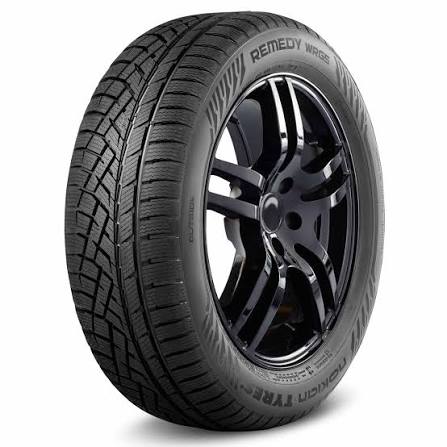
Finnish manufacturer Nokian is widely recognized as one of the pioneers in the development of the all-weather tire approved for winter use.
Introduced in the late 1990s, the technology has now evolved through several generations. The most recent WRG5, also known as Remedy, is quite possibly one of the more interesting investments in this category.
It is also worth remembering that this Nokian tire comes with protection against certain types of sidewall damage caused by potholes.
14
Michelin
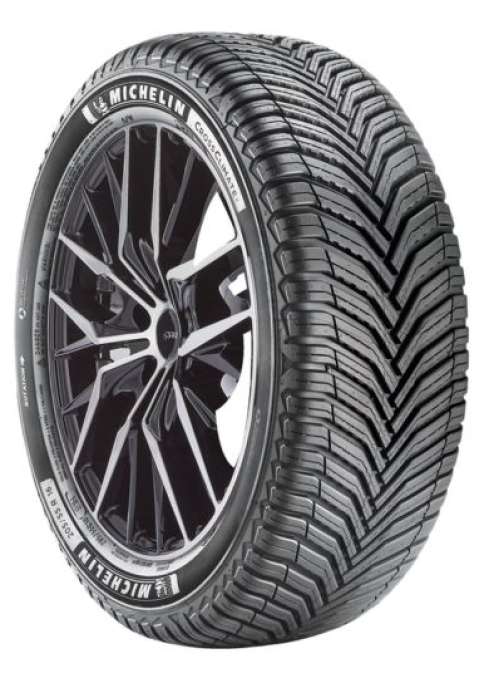
While our European friends already have access to a newer generation of Michelin CrossClimate tires, the French manufacturer continues to offer the CrossClimate2 here, one of the best-known tires in its category.
In many comparisons, the Nokian WRG5 and Michelin CrossClimate2 are among the products regularly considered by motorists looking for this type of tire.
15
Bridgestone
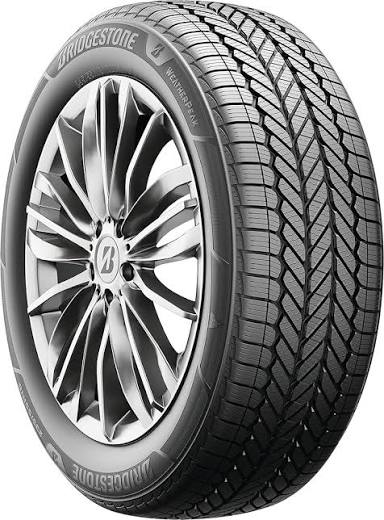
Naturally, major Japanese manufacturer Bridgestone could not let the competition advance in this field without responding.
That is why it introduced its own all-weather tire approved for winter use, the WeatherPeak, which is offered with an attractive warranty.
16
Goodyear
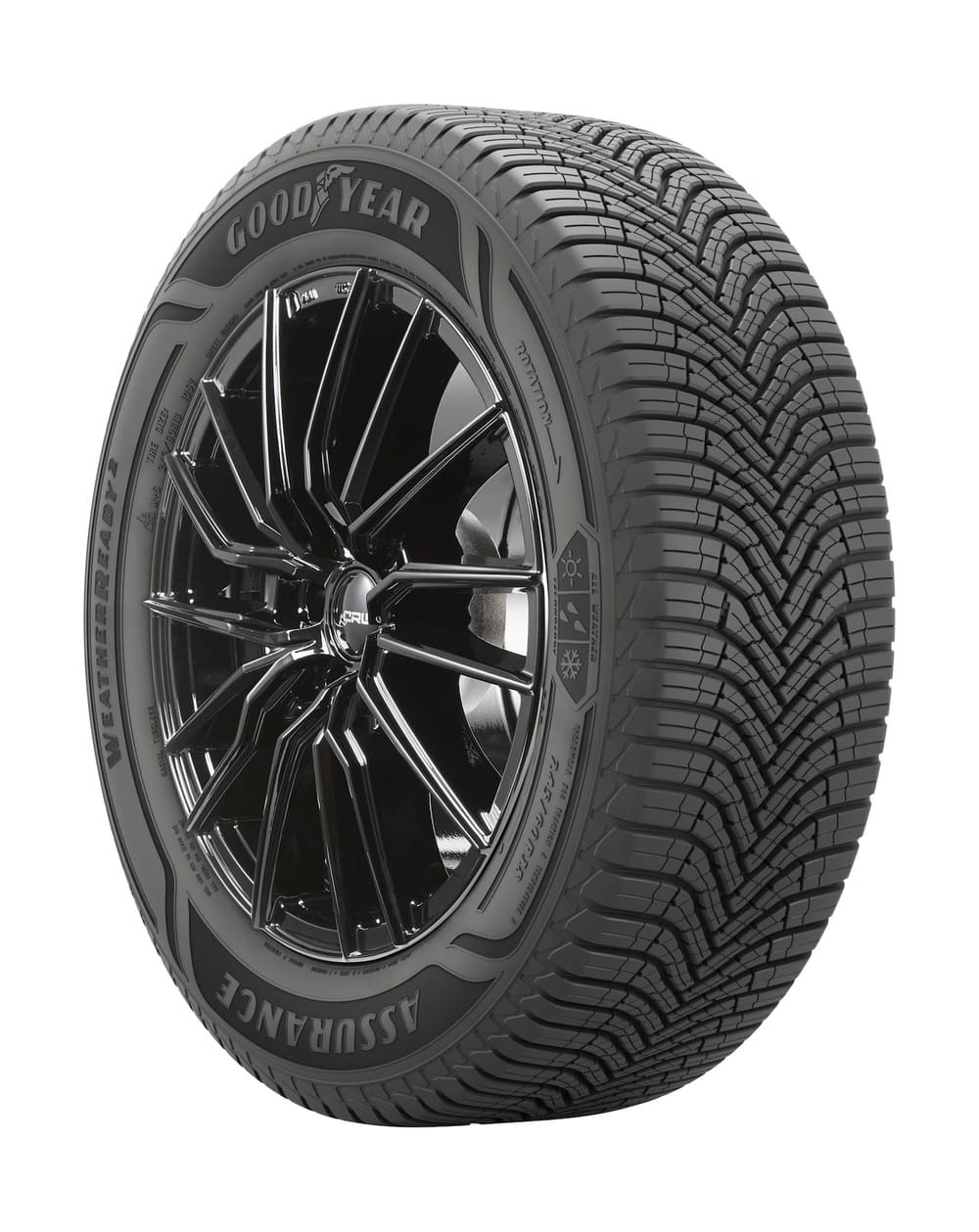
In the case of American giant Goodyear, it quietly introduced its own version of an approved all-weather tire, called the WeatherReady 2.
Drawing on its experience with tread designs capable of efficiently evacuating water, Goodyear incorporated some of that technology into this product, helping it earn an enviable reputation for wet-weather handling.
17
Pirelli
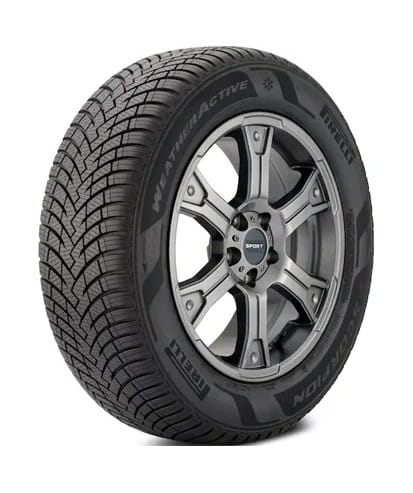
At Italian manufacturer Pirelli, the all-weather tire approved for winter use is called the Cinturato WeatherActive.
Given the manufacturer's reputation for tires offering impressive handling, this product should appeal to many motorists.
18
Hankook
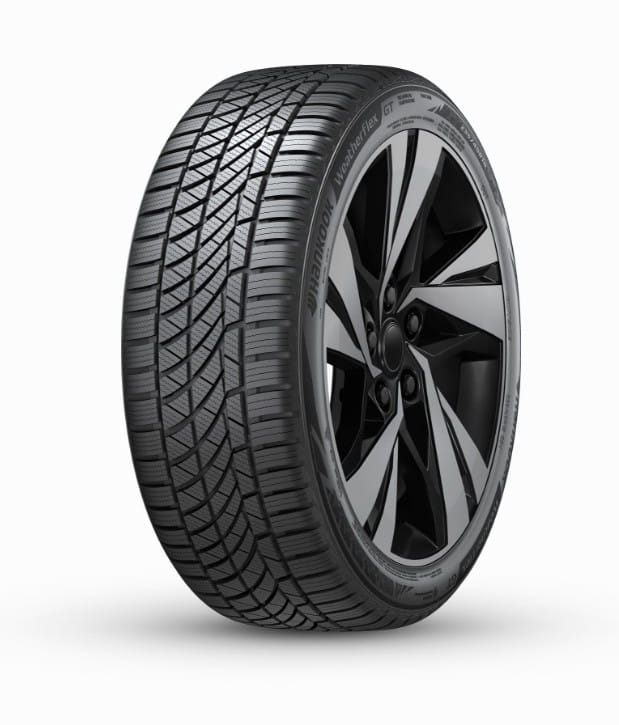
More recently, major South Korean tire manufacturer Hankook launched its own all-weather tire approved for both winter and summer use, the WeatherFlex GT.
It can be recognized in part by its relatively aggressive tread pattern, which nevertheless remains quiet. The manufacturer also offers mileage warranties of up to 110,000 km depending on the product.
Hankook also manufactures, under its Laufenn brand, a more accessible tire of the same type, the G Fit 4S, which also displays the Three-Peak Mountain Snowflake symbol.
Several other manufacturers also produce all-weather tires approved for winter use, including:
- Toyo – Celsius II
- Nordman – Solstice 4
- General – Altimax 365AW
- Falken – Aklimate
- Vredestein – Quatrac
- Sailun – Atrezzo 4 Seasons

Éric Descarries

L'Automobile Magazine
News
Business Directory