
 En
En  Fr
Fr
Piero Facchin
Hits: 5
Summer tire storage: a service and profitability opportunity for repair shops
Piero Facchin
Hits: 5

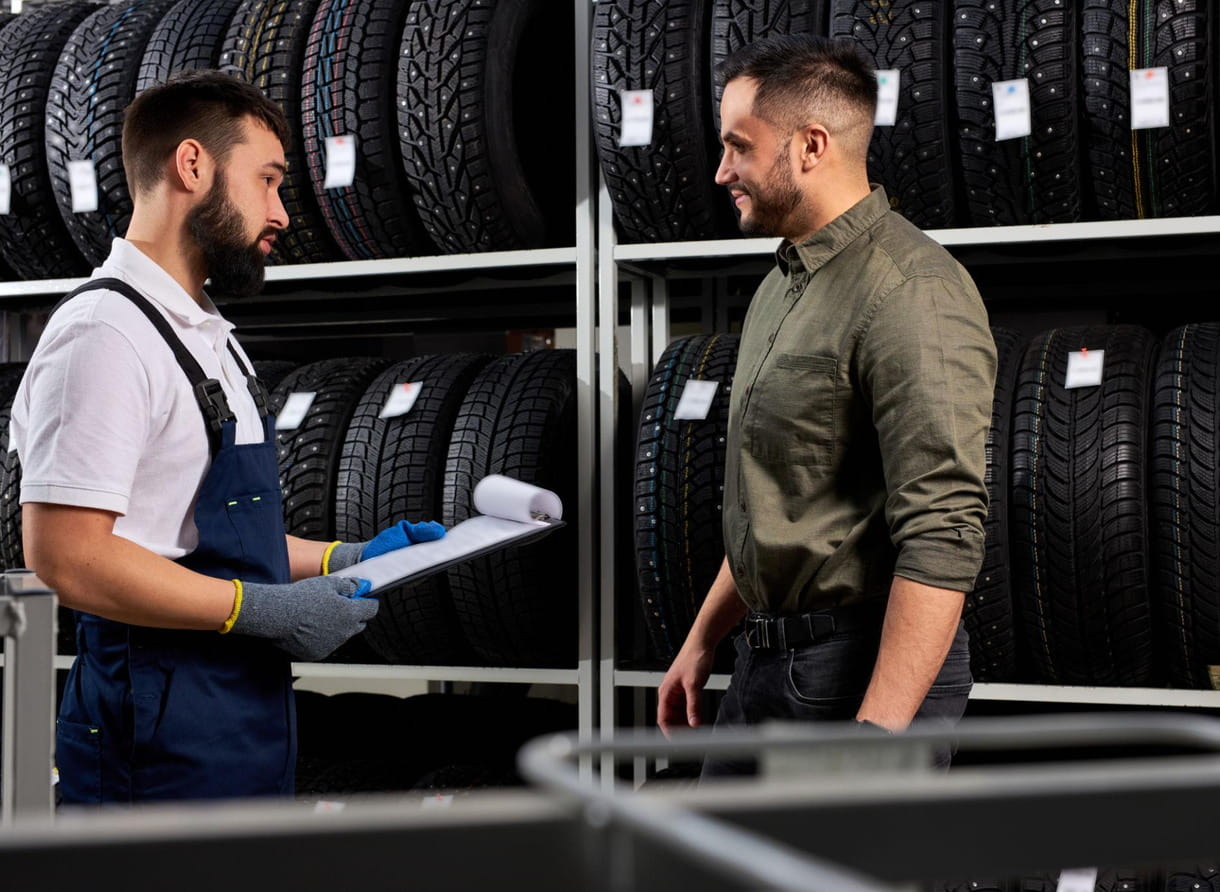
In a context where customer retention is becoming just as strategic as service quality, off-season tire storage is emerging as a high-value opportunity for garages and specialized repair shops. Far more than a simple logistical solution, it is a structuring service capable of generating recurring revenue while strengthening customer relationships. However, this requires flawless storage practices.
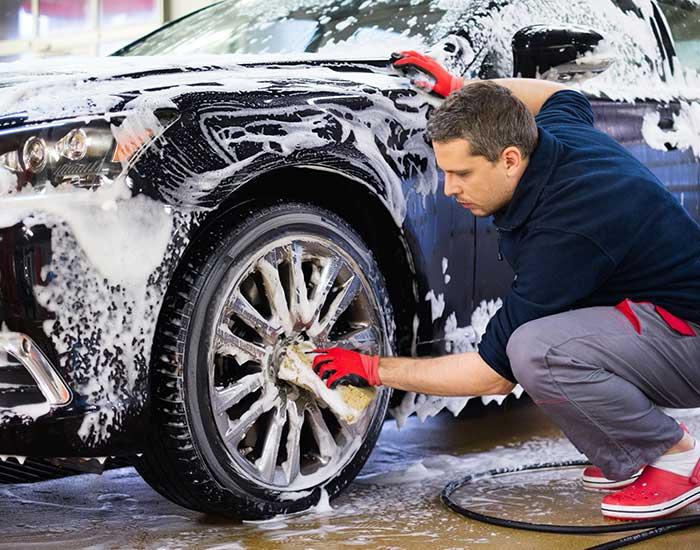
The first step remains essential: a complete cleaning of the tires. Removing salt residue, brake dust and road contaminants helps preserve the integrity of the rubber. Thorough drying is essential to prevent mould from forming or oxidation from developing on the wheels. For the shop, this step also provides an opportunity for a visual inspection, making it possible to identify abnormal wear or potential damage — an additional argument for offering complementary services.
Marking the tires according to their position (front/rear, left/right) facilitates future rotation and helps optimize their service life. From an operational standpoint, this also improves inventory management and reduces errors during peak periods.
Storage conditions are at the heart of the service. A controlled environment — cool, dry and protected from UV rays and temperature fluctuations — is essential. Ideally, the temperature should remain between 10 and 20 °C. Protection from ozone sources, such as electric motors and compressors, is also crucial to prevent premature aging of the rubber.
The storage method varies depending on the configuration: mounted tires can be stacked or suspended, while unmounted tires should be stored upright and rotated periodically to prevent deformation. The use of opaque covers adds an extra barrier against light and moisture while providing a more professional presentation.
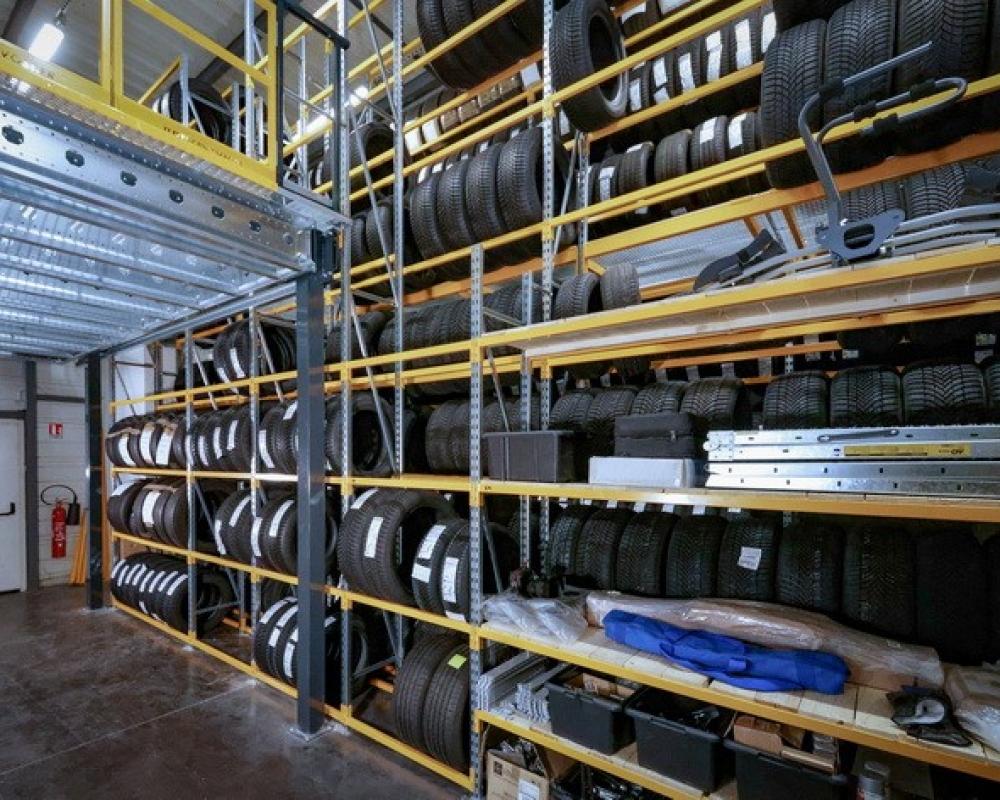
From a commercial standpoint, offering a structured storage service creates an annual point of contact with the customer. It encourages retention, simplifies seasonal appointment scheduling and opens the door to additional sales, such as inspections, alignments and early replacement. By eliminating the need for customers to transport their tires, the shop also positions itself as a trusted partner focused on convenience.
In short, properly executed tire storage does more than preserve the tires: it contributes directly to the overall performance of the business. For repair shops, it represents a concrete opportunity to turn a seasonal obligation into a lasting competitive advantage.

Piero Facchin

L'Automobile Magazine
News
Business Directory