
 En
En  Fr
Fr
Piero Facchin
Hits: 349
Studded tires: understanding the regulations to better advise customers
Piero Facchin
Hits: 349


A regulatory framework to master
In northern markets, studded tires remain a popular solution for dealing with the most extreme winter conditions. However, their use is strictly regulated by rules that vary from one jurisdiction to another. For garages and tire shops, a solid understanding of these regulations is essential in order to provide compliant service and properly advise customers.
Quebec: clear and structured regulations
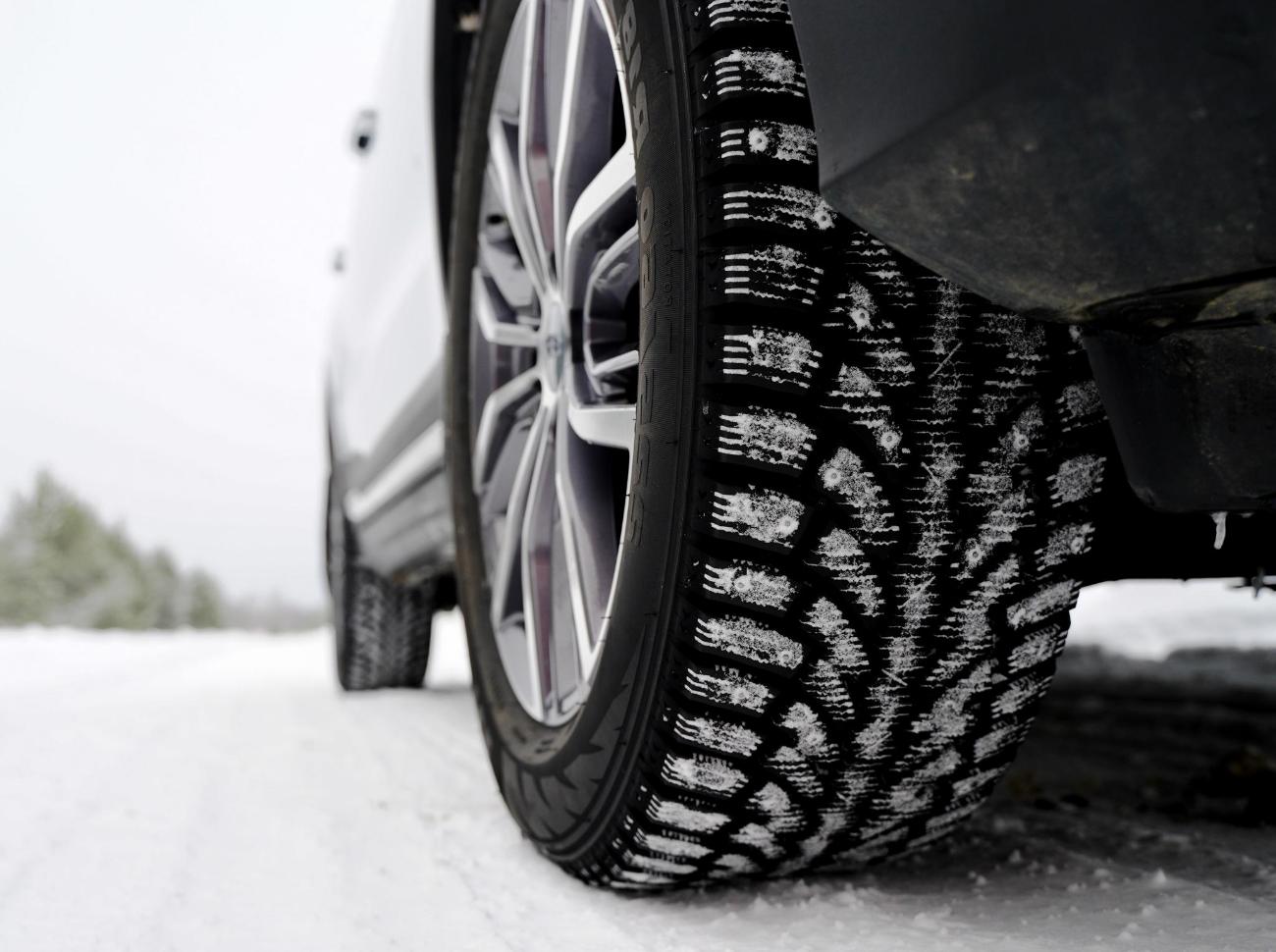
In Quebec, the regulations are clear and relatively permissive. Studded tires are permitted on passenger vehicles between October 15 and May 1. This period is intended to cover the province's extended winter conditions. It is important to note that these tires must only be installed on vehicles weighing less than 3,000 kg, except in specific cases. Outside this period, their use is prohibited, mainly because of the damage they can cause to road surfaces when roads are clear.
Snow chains: a complementary solution subject to regulation
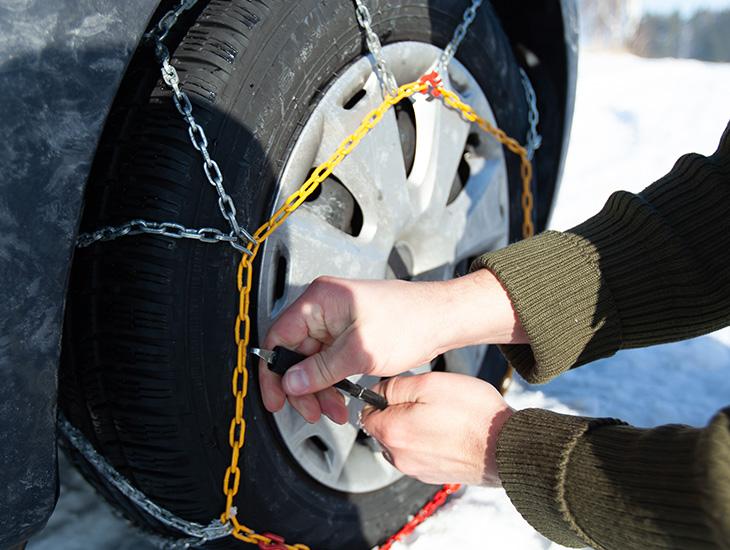
It is also relevant to address snow chains, which are often seen as an alternative or complement to studded tires. In Quebec, their use is generally permitted when road conditions require it — particularly in cases of heavy snow or freezing rain — provided they do not damage the roadway. They are mainly used on heavy vehicles or in specific situations such as mountainous areas or unmaintained roads.
In Ontario, chains are permitted in similar situations, although their use remains uncommon on passenger vehicles. In the United States, particularly in states such as Vermont, New Hampshire and Maine, their use is permitted and sometimes even recommended during extreme winter conditions, with some roads potentially requiring their temporary installation. It is nevertheless essential to remind customers that chains must be removed as soon as the roadway is clear in order to prevent premature wear on both the road and the vehicle.
Ontario and New Brunswick: different approaches
In Ontario, the regulatory framework is more restrictive. Studded tires are generally prohibited in the southern part of the province. However, they are permitted in Northern Ontario, in designated regions, between October 1 and April 30. Their use is also permitted on vehicles registered outside the province, such as those from Quebec, when travelling temporarily in Ontario, which is an important point for customers who travel.
In New Brunswick, the regulations are closer to those in Quebec. Studded tires are permitted from October 15 to May 1, with no major geographic restrictions within the province. This regional consistency makes things easier for shops located near interprovincial borders.
U.S. states: rules adapted to the climate
In the United States, rules also vary by state but are generally aligned with local climate conditions. In New York State, studded tires are permitted from October 16 to April 30. Vermont takes a much more flexible approach: their use is permitted year-round, although their relevance outside the winter season may be questionable. New Hampshire permits the use of studded tires from November 1 to April 30, while Maine allows their use over a similar period, from October 2 to April 30. These states, characterized by harsh winters, recognize the advantage of studs in terms of grip on bare ice.

A strategic advisory role for shops
For repair shops, these regulatory differences represent an opportunity to support customers. Informing clients about permitted periods, especially those who frequently travel between provinces or states, helps avoid fines and ensures safe and compliant driving.
Finally, it is worth remembering that despite their effectiveness on ice, studded tires also have disadvantages: increased road wear, higher rolling noise and reduced performance on dry pavement. Their recommendation should therefore be adapted to the customer's driving profile. More recently, Nokian, the inventors of winter tires, introduced a tire with retractable studs that operate according to the outside temperature, creating another type of tire to consider.
In short, mastering the regulations surrounding studded tires is a credibility-building tool for industry professionals. It not only helps ensure compliance, but also positions the shop as a trusted reference for technical advice and winter safety.
Studded tire regulations — quick comparison
The following table has been expanded with a column on potential fines. The amounts are provided for reference only, as they may vary depending on municipalities, circumstances and regulatory updates.
Juridiction | Permitted period | Main restrictions | Potential fines (indicative) |
|---|---|---|---|
Quebec | October 15 to May 1 | Vehicles ≤ 3,000 kg (possible exceptions) | Variable, often around C$200 and up |
Ontario | October 1 to April 30 (North) | Prohibited in the South; permitted for out-of-province vehicles | Variable, generally C$100–500 |
New Brunswick | October 15 to May 1 | Few geographic restrictions | Variable, often around C$100–200 |
New York State | October 16 to April 30 | Few restrictions for passenger vehicles | Variable, approximately US$50–150 |
Vermont | Year-round | Permanently permitted | Rarely enforced except in cases of misuse |
New Hampshire | November 1 to April 30 | Use limited to the winter season | Variable, approximately US$50–150 |
Maine | October 2 to April 30 | Consistent with harsh winter conditions | Variable, approximately US$50–200 |
Key takeaway: Fines mainly apply to use outside the permitted period or in jurisdictions where studded tires are prohibited. For repair shops, clear communication with customers helps avoid tickets and reinforces the professional advisory role.

Piero Facchin

L'Automobile Magazine
News
Business Directory