
 En
En  Fr
Fr 

Articles by Éric Descarries & Piero Facchin
TIRE GUIDE Spring 2026
With spring now underway, L'Automobile is presenting a special feature devoted to the tire industry, a field that continues to evolve rapidly as innovation reshapes winter tires, all-weather rated products and more conventional passenger-car tires alike.
In this Spring 2026 Tire Dossier, we invite readers to explore five articles highlighting the latest industry trends, noteworthy new technologies and test drives carried out both on the road and on the track. Among the topics covered are the improvements made to the Michelin X-Ice Snow+, the surprising retractable-stud technology of the Nokian Hakkapeliitta 01, and the Motomaster Hydra Edge Plus developed with Sailun, which was put to the test in heavy rain at Canadian Tire Motorsport Park.
This special section also takes a closer look at all-weather rated tire testing, with coverage of the Hankook Weatherflex GT and Laufenn G-Fit 4S, as well as a first drive of the new General Tire Altimax Arctic X and Grabber Arctic X, tested in demanding winter conditions in Mirabel.
Through these articles, readers will see just how strongly manufacturers are now focusing on grip, predictability, comfort, versatility and adaptation to the realities of the Canadian market.
Ready to discover the tires that will help shape the future of the road?



Éric Descarries
Hits: 527
Nokian's Incredible New Product
Éric Descarries
Hits: 527
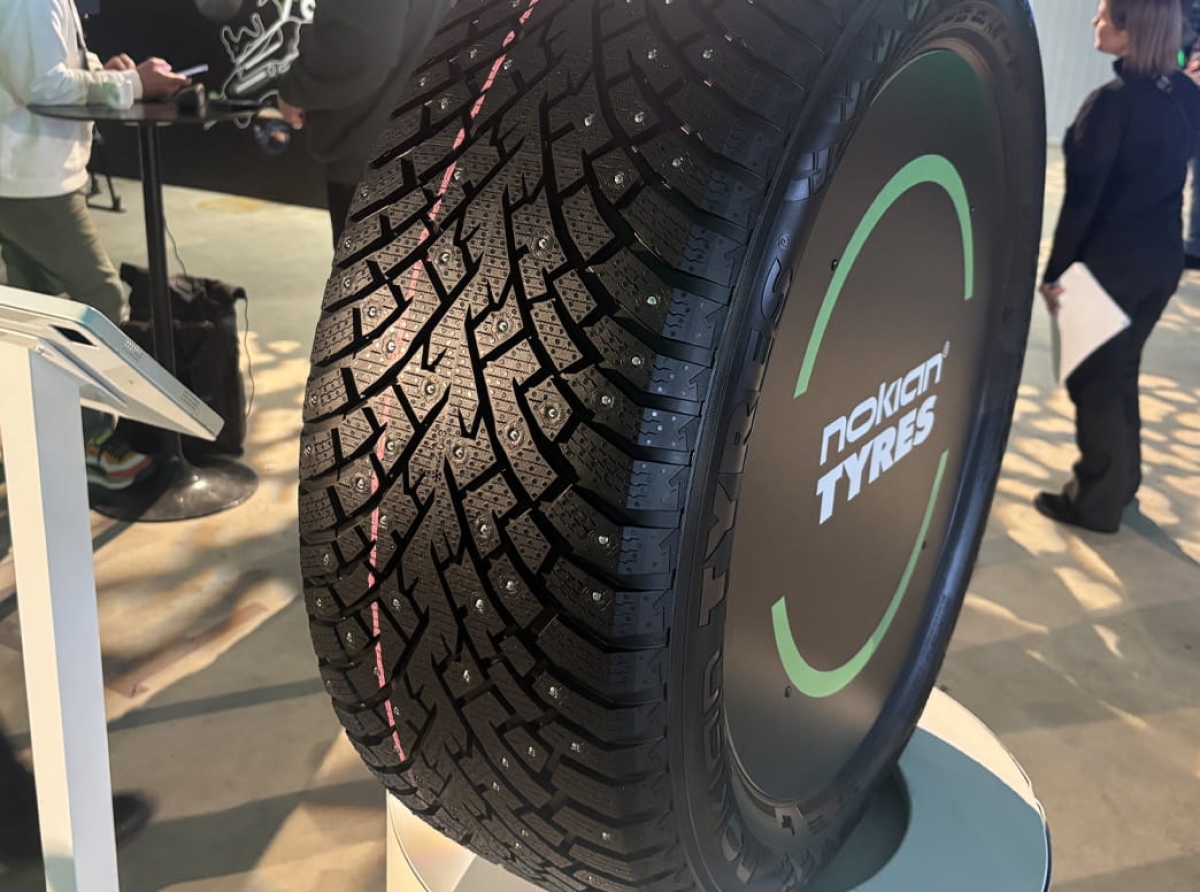
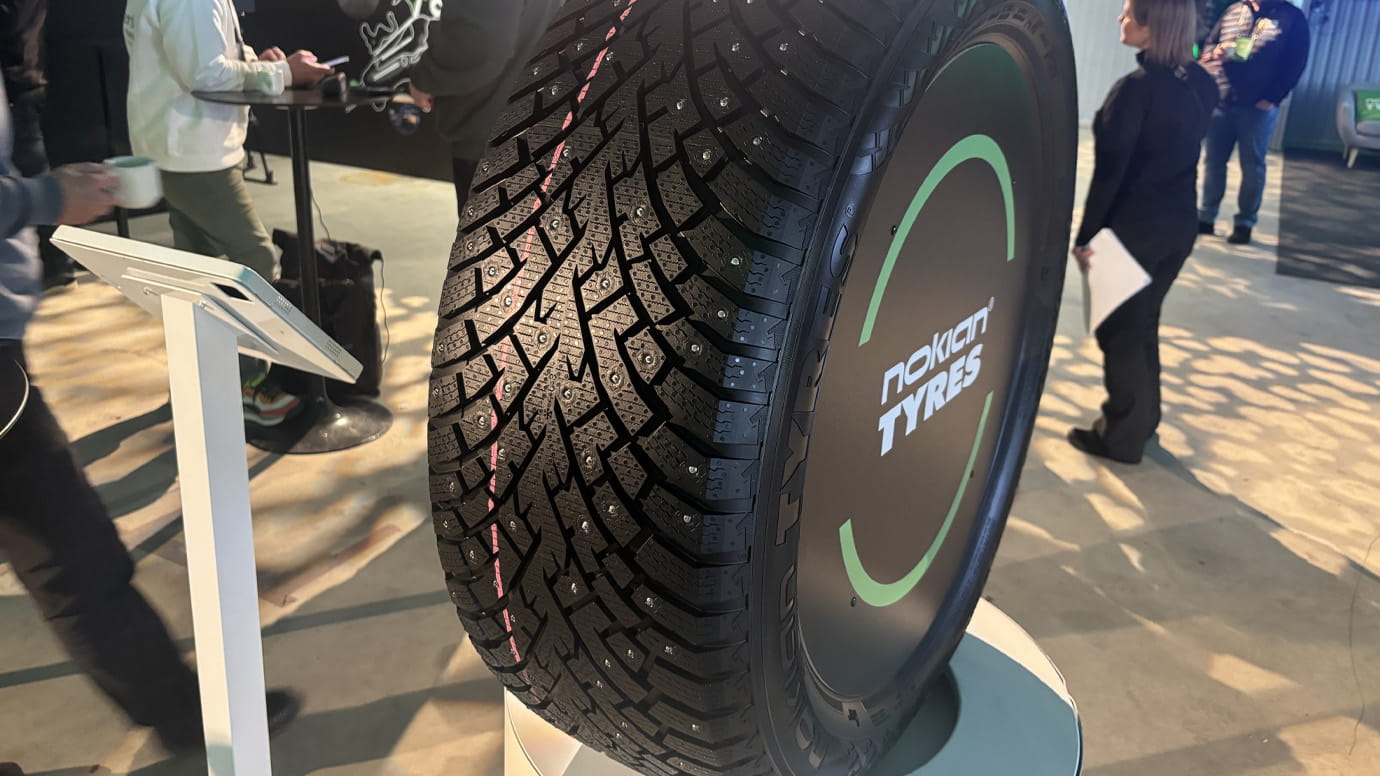
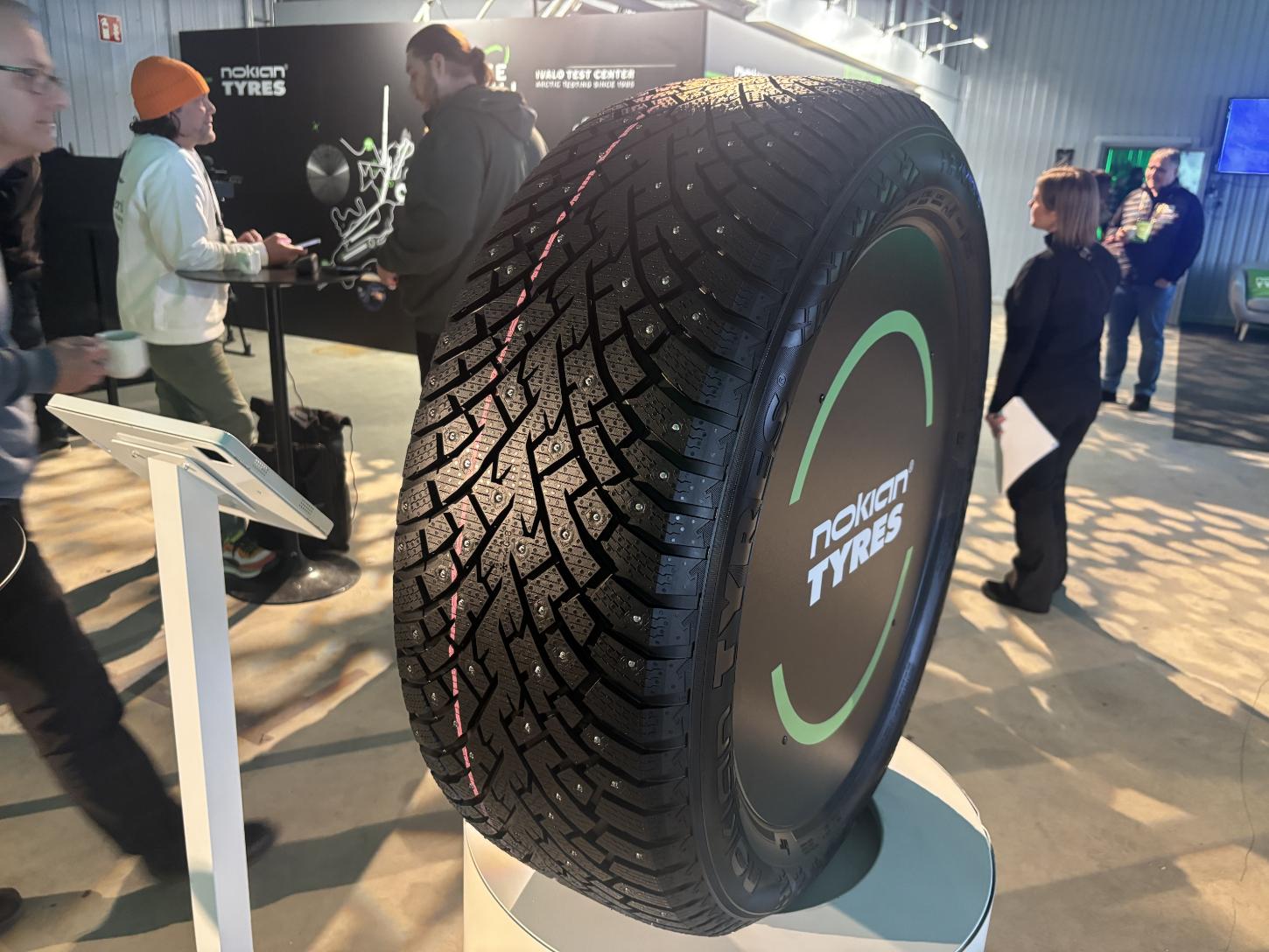
Ivalo, Finland — Was it worth travelling all the way to Ivalo, in northern Finland, to discover a true innovation in the winter tire segment? Absolutely.
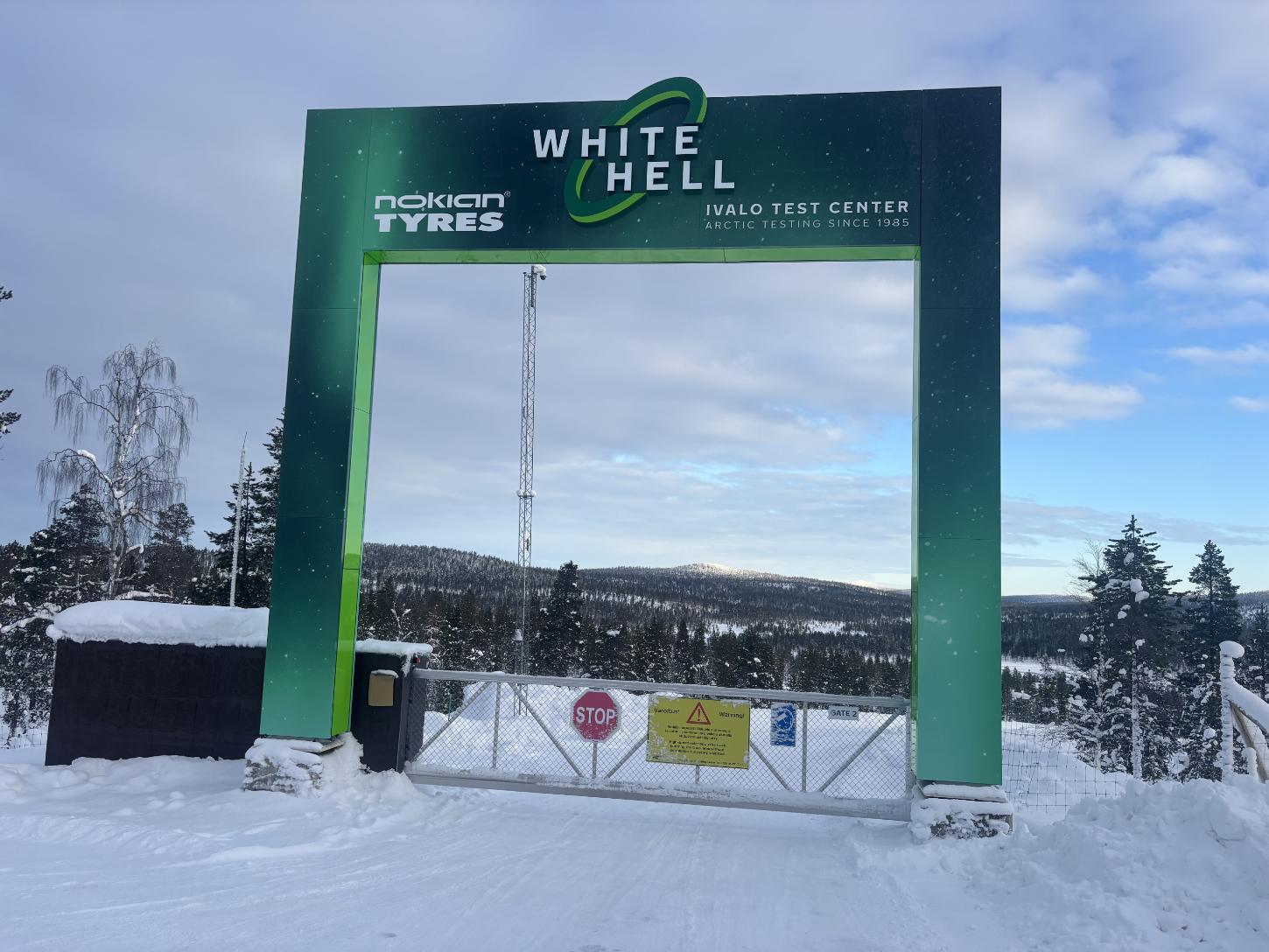
And it's not the first time Finnish tire manufacturer Nokian has pulled this off. A few years ago, it was at its winter testing centre in Ivalo, known as White Hell, that it introduced us to the all-weather rated WRG3 tire, whose evolution we now know as the WRG5, better known as Remedy. This time, however, in early March, Nokian invited us back to the same centre to discover the winter Hakkapeliitta 01.
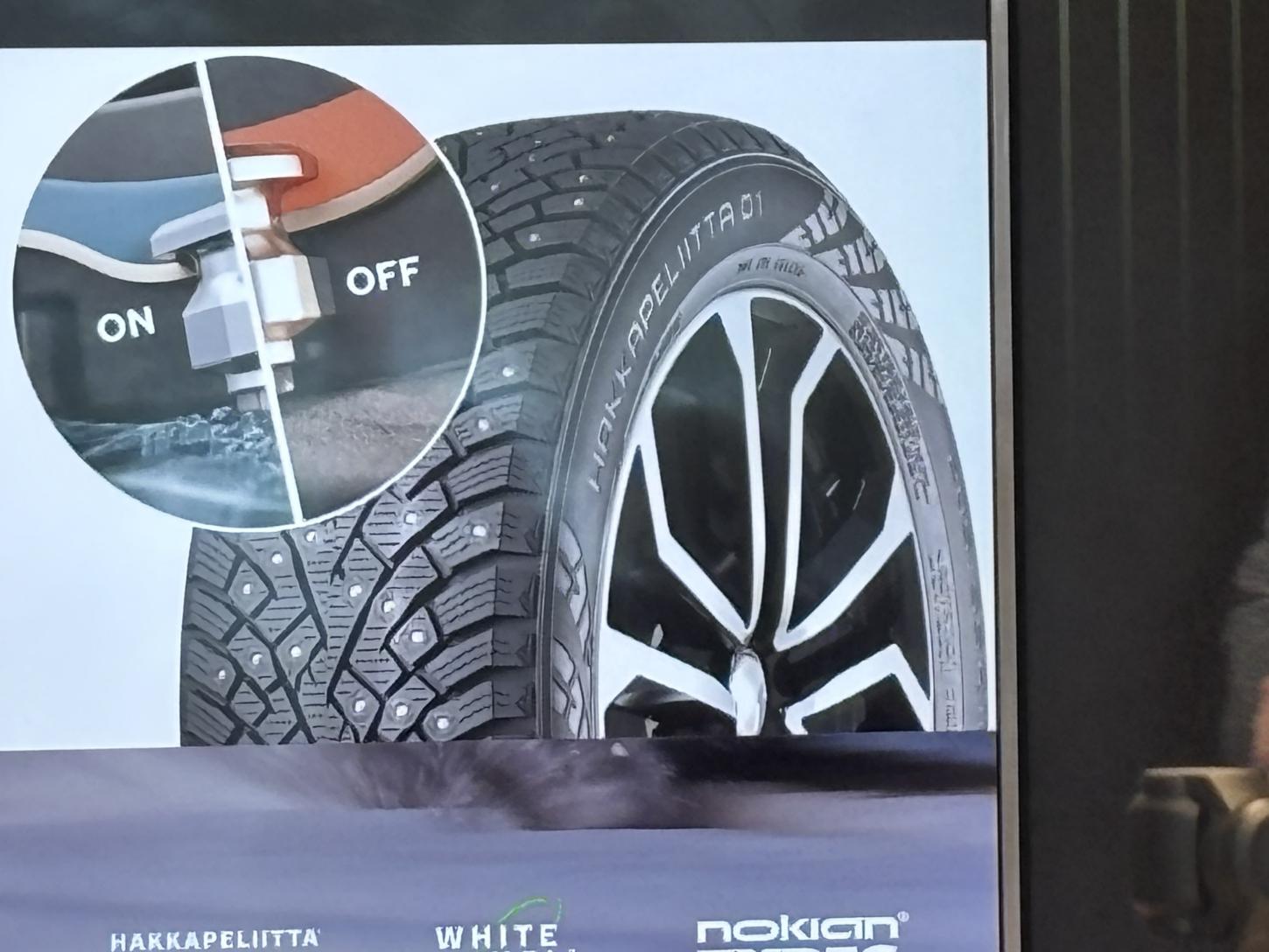
It's called '01' because, as the engineer in charge explained to us, it's a tire whose studs are either retracted or deployed — on-off, much like binary data in computing. In fact, while Nokian had shown us a kind of prototype of this tire nearly 15 years ago, this time it's finally ready for production. The earlier prototype was not viable, however, because the studs were activated by ელექტrical impulses, a solution that was impractical and far too demanding to implement.
The new Nokian Hakkapeliitta 01 can be described like this. Physically, the 01 resembles the already very popular Hakkapeliitta 10, with a similar tread pattern. However, this is a studded version. Those studs are deeply embedded in the tread, so there is no contact with the road under normal conditions. But if the tire encounters an icy surface, the studs emerge almost instantly from the tread and help provide safer driving. There is no electrical mechanism involved, and no magic either. Once the 'ice alert' is over, the studs retract back into the rubber tread. In fact, at 100 km/h, they are not supposed to come out at all.
How on earth did Nokian's engineers manage this? Quite simply by creating a compound bonded inside the tread that rapidly expands upon contact with a surface that is too cold, pushing against another plastic strip that holds the studs by the head and forces them outward. As you may have guessed, that 'compound' is one of Nokian's trade secrets.
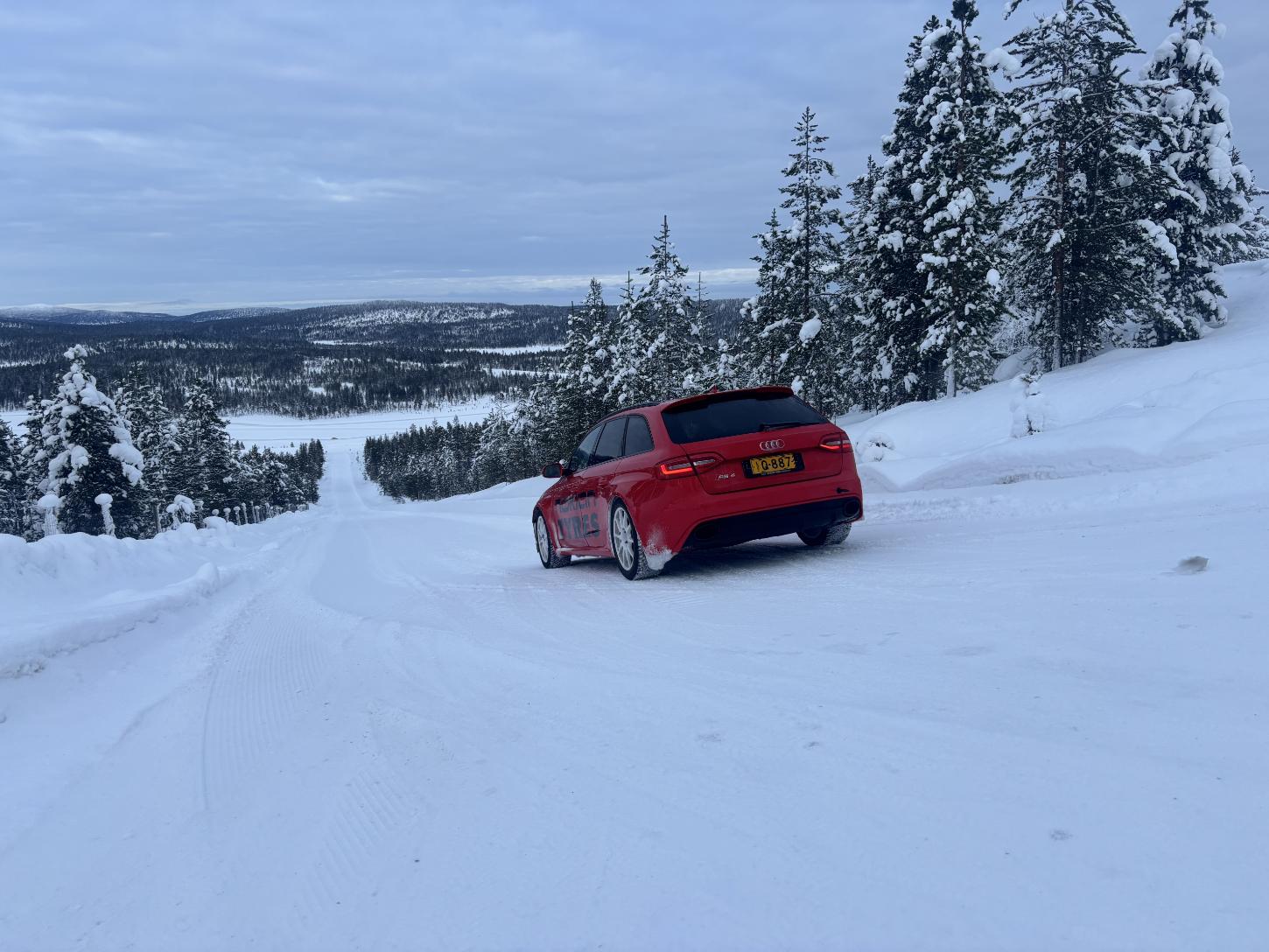
We were therefore among a small group of specialized journalists from parts of the world where icy roads are a reality who were able to test this new tire. Hence the need to travel to Ivalo. On site, Nokian provided us with sedans — mostly Audi RS4s — so we could push these tires to their limits on the frozen surface of Lake Ivalo. Needless to say, the Hakka 01 proved remarkably effective. We also had the opportunity to test the tires on snowy mountain roads, where we could appreciate their excellent grip in deeper snow as well.
Nokian says these new tires will be available starting in June 2026 in 124 sizes, all suited for electric vehicles since they also feature an internal insulating foam layer. Now all that remains is to put them to the test at home next fall.
(Photos: Éric Descarries)



Éric Descarries

L'Automobile Magazine
News
Business Directory